How Plinth Height, Finish, and Placement Affect Your Product Display
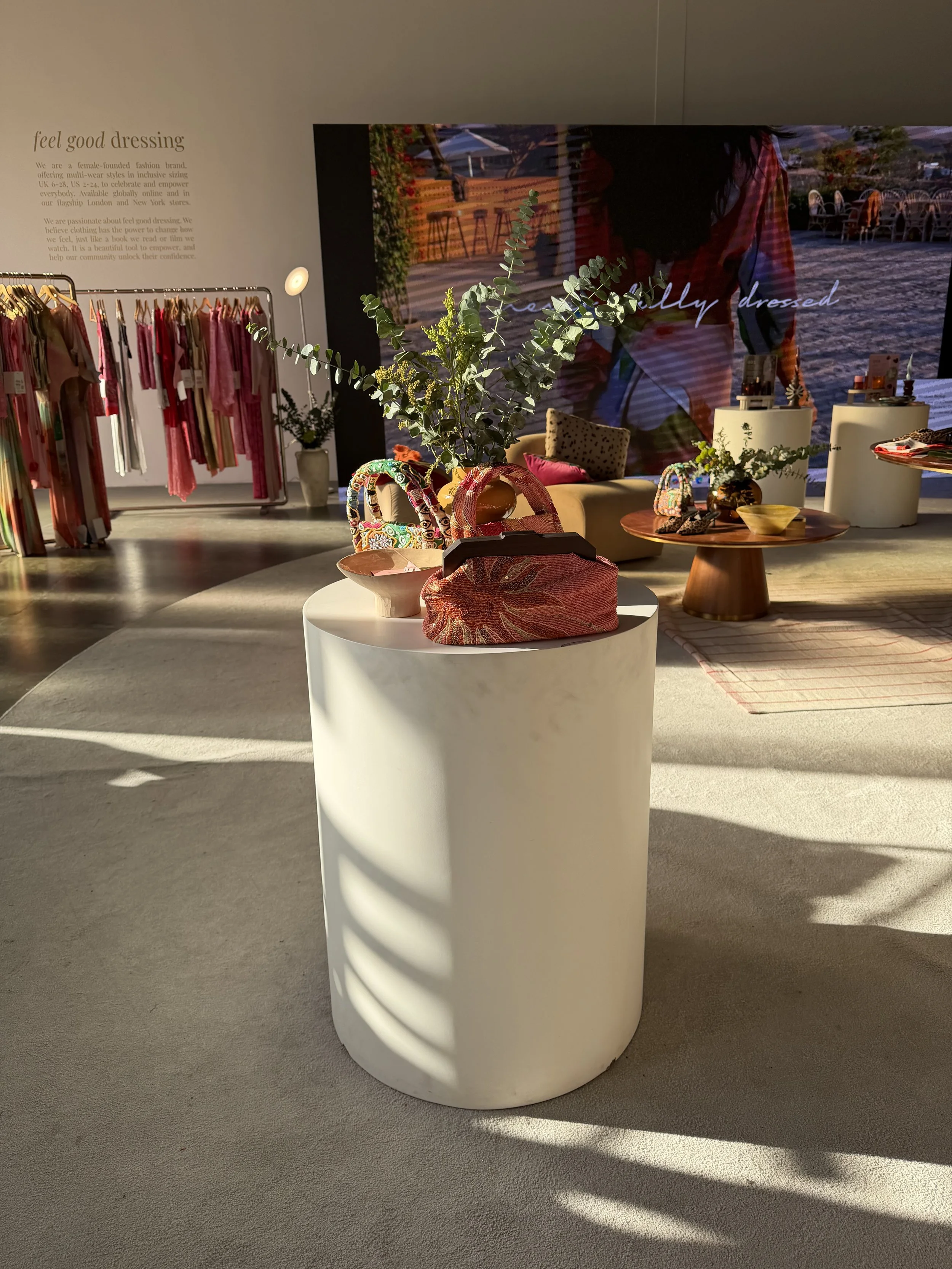
A plinth looks like a simple thing. A block. A platform. Something to put a product on.
But here is what most brands miss. The plinth is not just a stand. It is a decision about how important something is, how premium it feels, and whether a customer stops or walks past. And in a pop up store where you have seconds to capture attention, those decisions matter more than most people realise.
Let us break down how height, finish, and placement each do their own job.
Why Height Changes What Customers Notice First
The Eye Level Rule Is Real
There is a reason high-end jewellery sits at a specific height in every luxury boutique you have walked into. Eye level is attention level. When a product sits at roughly the same height as a customer's eyeline, they engage with it naturally. They do not have to crouch, stretch, or search.
When you choose plinths for hirefor your next activation, the first question to settle is what height puts your hero product directly in that zone for your average customer. For most adults, that sits somewhere between 100 and 130 centimetres.
Low Plinths Signal a Different Kind of Display
Not every plinth needs to sit at eye level. Shorter plinths at around 60 to 80 centimetres work well for lifestyle shots, for grouped product arrangements, or for pieces you want customers to lean down to and examine more closely. That movement itself can create engagement.
The Design Pop-Up Agency plinths for hire collection includes multiple heights precisely because different products and different activations call for different sight lines. A single height across your whole pop up store rarely serves every display equally.
Height Variety Creates Depth and Visual Rhythm
If every surface in your pop-up sits at the same level, the space looks flat. Varying plinth heights creates a visual landscape. It draws the eye across the space rather than letting it settle and disengage.
Think of it like a skyline. The contrast between heights is what makes it interesting.
How Finish Communicates Brand Positioning
Your Plinth Finish Is Part of Your Brand Language
Walk into a luxury pop up store, and you will notice that nothing is accidental. The finish on the plinths matches or deliberately contrasts with the product. Matte black for streetwear. White lacquer for beauty. Natural wood for sustainable brands. Concrete effect for architectural or homeware ranges.
This is not decoration. It is brand communication. The finish of the plinths for hire you choose tells customers something about your brand before they look at the product sitting on top.
Neutral Finishes Work Harder in Multi-Product Displays
When you display multiple products across multiple plinths, a neutral finish lets each product lead. White, light grey, and natural finishes recede visually. The product becomes the hero.
Bold or high-contrast finishes work better when you have one or two statement pieces you want to make a moment of. They add drama, but only when used selectively.
Lockable Display Plinths Add a Layer of Security and Prestige
For high-value items like fine jewelry, watches, or premium collectibles, a lockable display plinth does two things at once. It protects the product. And it signals to the customer that what is inside is worth protecting.
The Design Pop-Up Agency offers display plinths for hire with discreet lockable drawer systems specifically designed for luxury retail pop up store setups. The security element becomes part of the elevated experience, not a visible afterthought.
How Placement Controls Customer Flow
Where You Put Your Plinths Decides Where Customers Walk
Your plinth placement is a map. It tells customers which direction to move in, where to stop, and what to spend time with. Plinths placed along the natural path customers take when entering from the right will get more interaction than ones tucked against a back wall.
Place your most important product on the plinth that sits in the strongest eyeline from the entrance. Everything else should build outward from there.
Spacing Between Plinths Affects How Premium Your Display Feels
Crowded plinths send a crowded message. When display pieces sit too close together, the space reads as busy and the products compete for attention rather than commanding it.
Generous spacing around each plinth communicates confidence. It says this product deserves room. That is the same logic luxury stores apply to their floor plans, and it translates directly into pop up store and plinths for hire decisions.
Grouping Creates Stories, Isolation Creates Focus
Two or three plinths at varied heights grouped together tell a product story. A single plinth standing alone creates a focal point. Both are valid. What does not work is either approach applied inconsistently across a space without intention.
Before your plinths for hire are placed on setup day, decide which products are part of a family and which ones stand alone. That decision should drive your layout.
Putting It Together
Height, finish, and placement are not three separate decisions. They work together. A plinth at the right height with the wrong finish can still undermine a display. Perfect placement with mismatched heights makes a space feel unresolved.
The best pop up store setups treat these three factors as connected. And the best way to get that connection right without spending days prototyping it is to work with a team that has done it before.
The Design Pop-Up Agency offers plinths for hire across multiple heights and finishes, with layout support built into the process. So your display does not just hold your products. It presents them.
Frequently Asked Questions
What height should display plinths be for a retail pop up store?
It depends on your product and your customer. As a general guide, plinths between 100 and 130 centimetres place most products at or near eye level for adult customers, which maximises natural engagement. Shorter plinths around 60 to 80 centimetres work well for grouped displays or products that benefit from closer examination. Varying heights across your pop up store creates visual interest and draws customers through the space more effectively than a single uniform height.
Can display plinths be branded or customised for a pop up store?
Yes. Plain finishes like white, black, or natural materials can be wrapped with printed vinyls, brand colours, or custom graphics to reinforce your brand identity. Some plinths for hire also come in branded or specialised finishes by design. If you plan to customise hired plinths, confirm with your supplier what is permitted and whether they offer branded options as part of their collection, as this affects your setup timeline.
How many plinths does a pop up store typically need?
There is no fixed number. The right quantity depends on your product count, your space size, and how you want the display to feel. A focused, premium pop up store might use three to five plinths to highlight hero pieces with generous spacing. A product-rich activation might use more, arranged in grouped stories. The mistake most brands make is adding more plinths for hire than the space needs, which makes the display feel crowded rather than considered.