Minimal vs. Statement Pop Up Furniture: What Works Best for Your Brand?
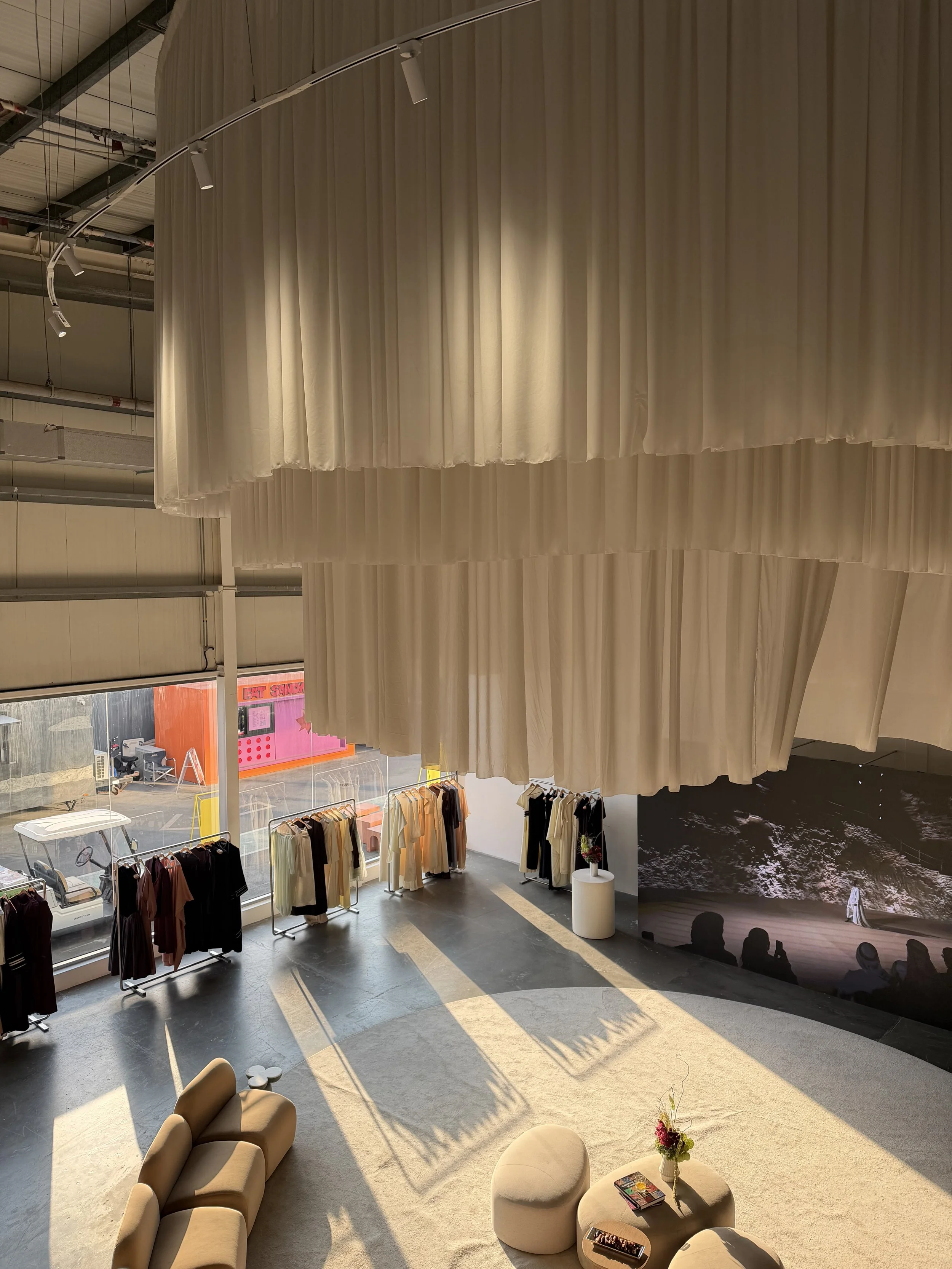
Your furniture does more than fill a space. It communicates something before anyone picks up a product or speaks to your team. Walk into a pop-up dressed in clean white modular pieces, and you feel one thing. Step into a space anchored by bold, sculptural furniture, and you feel something completely different.
The question is which feeling your brand actually needs to create. The pop up furniture carrying your visitors through that experience plays a bigger role in that impression than most brands expect.
What Does Minimal Pop Up Furniture Actually Do?
Minimal doesn't mean boring. It means deliberate restraint – clean lines, neutral palettes, portable furniture solutions that don't compete with your product or message.
Luxury brandsoften lean minimal for good reasons. When your product is the centerpiece, the space around it should recede. Think of a skincare brand using matte white shelving and low-profile seating. The products sit forward. Nothing else fights for attention.
Startups and tech brands also use minimal event furniture rentalwell. A clean, open setup signals confidence. It says: we don't need visual noise, our idea speaks for itself.
If your audience values clarity, calm, or premium positioning, minimal is often the stronger call.
When Does Statement Furniture Change the Game?
Statement pop up furniture makes the space itself part of the story. Bold shapes, unexpected materials, and high-impact colour choices turn a temporary installation into a moment people photograph and share.
The Design Pop Up Agency has seen this work particularly well for lifestyle brands, food and beverage activations, and youth-facing campaigns. A drinks brand using neon-upholstered modular seating and oversized display units creates an environment that is the brand experience. Visitors don't just observe. They step inside the identity.
The risk with statement furniture is misalignment. Bold pieces that don't connect to the brand feel chaotic rather than exciting. The furniture should feel chosen, not just dramatic.
How Do You Match Furniture Style to Brand Identity?
Start with three questions.
What do customers already associate with your brand?
What emotion do you want them to feel inside the space?
What will the surrounding environment look like?
A heritage fashion brand at a trade exhibition reads differently than a wellness startup at an outdoor market. Both need branded event furniture, but the right choice in one context can feel completely wrong in the other.
Consider your audience too. Older, professional demographics often respond better to considered, minimal setups. Younger audiences at experiential activations tend to engage more actively with bold, photogenic environments.
The Design Pop Up Agency works with brands across both ends of this spectrum, helping teams move from brief to build with custom pop-up furniture that actually fits the identity and the space. Having a partner who knows how different setups perform in real activations, not just on paper, makes the decision easier and the result stronger.
Does Budget Determine the Choice?
Not necessarily. Both approaches can work within similar budget ranges when planned properly.
Minimal setups often use fewer pieces but require higher quality finishes. A scratched or cheap-looking table in a sparse space has nowhere to hide. Statement setups can involve more pieces but may use cost-effective modular builds that create impact through scale and color rather than materials.
The smarter budget question is this: where do you want visitors' eyes to go? Build the budget around that answer.
Which Approach Fits Your Next Activation?
Neither style is universally better. Minimal pop up furniture is the stronger call when the product, content, or conversation needs to lead. Statement furniture works best when the experience itself is the product.
The brands that get this right don't pick a style because it looks good on a mood board. They pick it because it reflects who they are, and who their customer is expecting to meet when they walk through the door.
Frequently Asked Questions
Can I mix minimal and statement furniture in one pop-up?
Yes, and it often works well. A common approach uses minimal furniture for functional areas – seating zones, product display, while one statement piece anchors the space visually. A bold centre piece like an oversized branded table or sculptural installation creates the wow moment without overwhelming the full setup. The key is keeping the statement piece deliberate and brand-aligned, not just decorative.
How far in advance should I confirm pop up furniture rental for a brand activation?
Most experienced event furniture rental suppliers recommend confirming at least four to six weeks before a major activation. For bespoke or custom-built pieces, eight to twelve weeks is more realistic. Last-minute furniture choices often result in compromised design or limited availability, which can undermine months of brand planning.
Does furniture style affect how long visitors stay at a pop-up?
It does, significantly. Statement and experiential setups tend to encourage longer dwell time because visitors feel immersed rather than just passing through. Comfortable, well-placed seating also matters – visitors who sit down are more likely to have a real conversation with your team, which increases the chance of a meaningful brand connection