How to Finalize Pop-Up Shop Design After You Rent a Pop-Up Shop
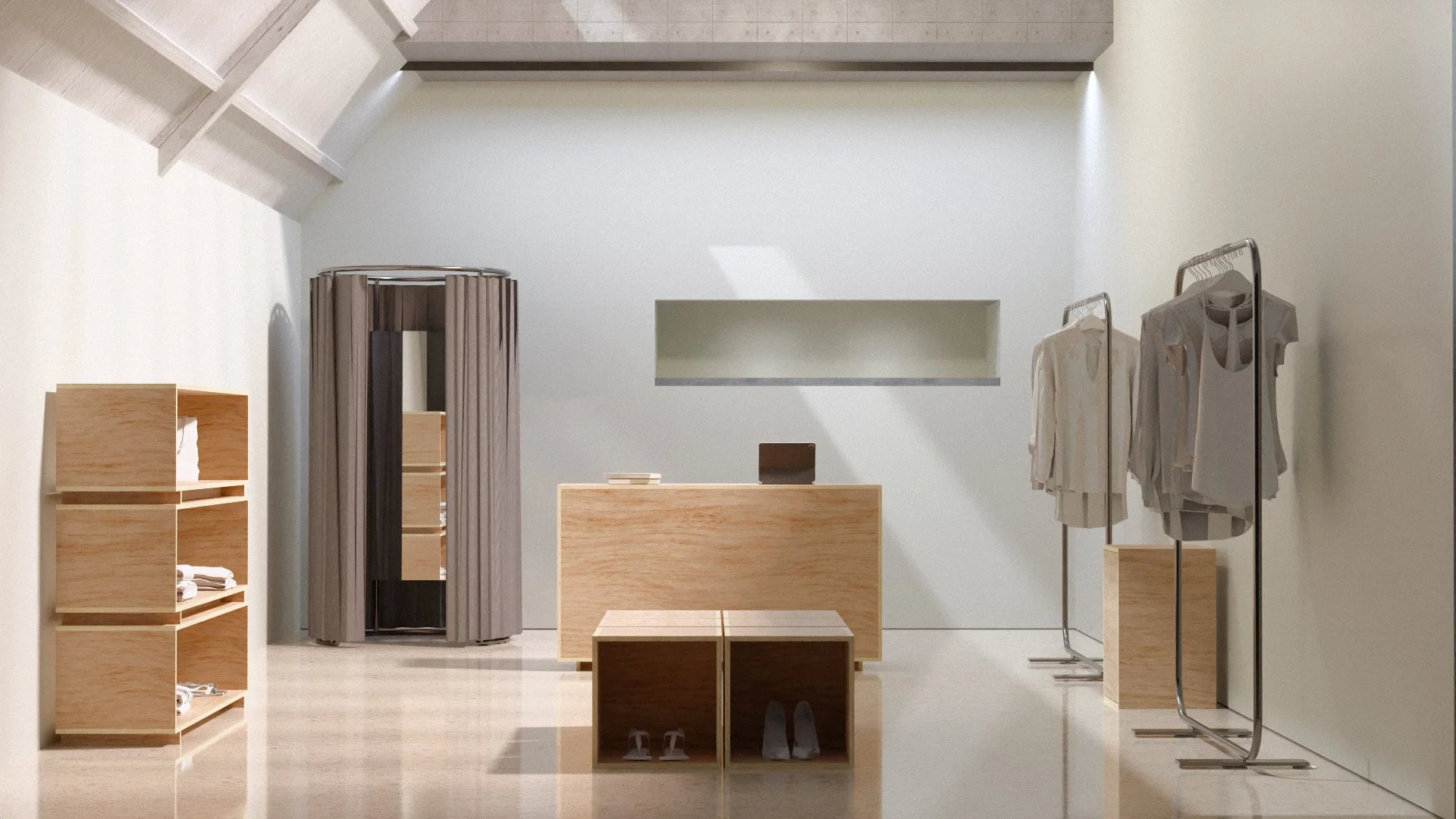
Renting the space feels like a win. The contract is signed. The dates are locked. The location looks right. For a moment, everything feels settled.
Then reality sets in.
Once you rent a pop-up shop, the real work begins. Design decisions move from abstract ideas to practical choices that must fit the space exactly as it is. What worked on a mood board may not work on site. This is where pop-up shop design becomes less about inspiration and more about intention.
Start With the Space, Not the Concept
It is tempting to push the original concept straight into the space. That often leads to compromise later.
Before placing anything, spend time understanding the room. Look at the ceiling height. Natural light. Entry points. Power access. Columns. Sightlines from outside the shop. These details shape how the design should evolve.
Strong pop-up shop design responds to the space instead of fighting it.
Define the Purpose of the Pop-Up
Every pop-up needs a clear reason to exist. Is it about selling? Testing a product? Building brand awareness? Creating content?
It is easier to make design decisions once the goal is clear. Furniture, layout, and flow should all support that goal. Without clarity, the space risks trying to do too much and doing none of it well.
When you rent a pop-up shop, space is limited. Purpose keeps design focused.
Plan the Customer Journey Early
People do not experience pop-ups randomly. They enter, pause, browse, interact, and leave. Good design guides that journey without an obvious direction.
Decide where attention should land first. What should visitors see from outside? Where should they slow down? Where should interaction happen?
Pop-up shop design works best when movement feels natural rather than forced.
Keep Layouts Flexible
Pop-ups change quickly. Products sell out. Displays need adjusting. Foot traffic behaves differently than expected.
A rigid layout creates stress. Flexible layouts allow calm decision-making during live days. This means avoiding fixed builds where possible and choosing elements that can move easily.
After you rent a pop-up shop, adaptability becomes one of the most valuable design tools.
Use Furniture With Restraint
Furniture defines the space, but too much of it overwhelms the experience. Tables, rails, and seating should serve a clear purpose.
Minimal furniture creates breathing room. It gives products space to stand out. It also speeds up setup and breakdown, which matters when access hours are tight.
Thoughtful restraint is often what separates a polished pop-up from a cluttered one.
Think About Lighting Early
Lighting is not decoration. It is structure.
Poor lighting can flatten even the best design. Uneven lighting creates dead zones. Harsh lighting distracts from products.
Once you rent a pop-up shop, assess existing lighting immediately. Plan around it. Add only what is necessary to support the design and highlight key areas.
Consider Operations Alongside Design
Design does not exist in isolation. Staff need room to move. Storage needs to stay hidden. Payments need to happen smoothly.
A beautifulpop-up shop design that ignores operations creates friction behind the scenes. Planning these details early keeps the experience smooth for both staff and visitors.
Final Checks Before Opening
Before opening, walk through the space slowly. Stand at the entrance. Move through as a visitor would. Notice what feels rushed or unclear.
At this point, little changes have a significant impact. Shifting a table. Opening a sightline. Removing one unnecessary element.
This is where the design settles into place.
Frequently Asked Questions
What is the first design step after you rent a pop-up shop?
The first step is understanding the space itself, including layout, lighting, access points, and limitations, before adapting the design concept to fit.
How important is flexibility in pop-up shop design?
Flexibility is essential. Pop-ups change quickly, and adaptable layouts make it easier to adjust displays, flow, and product placement during live days.
Should pop-up shop design focus more on looks or function?
Both matter, but function comes first. A design that supports movement, operations, and clarity will always feel better than one that looks good but feels difficult.