Common Venue Booking Mistakes and How to Avoid Them
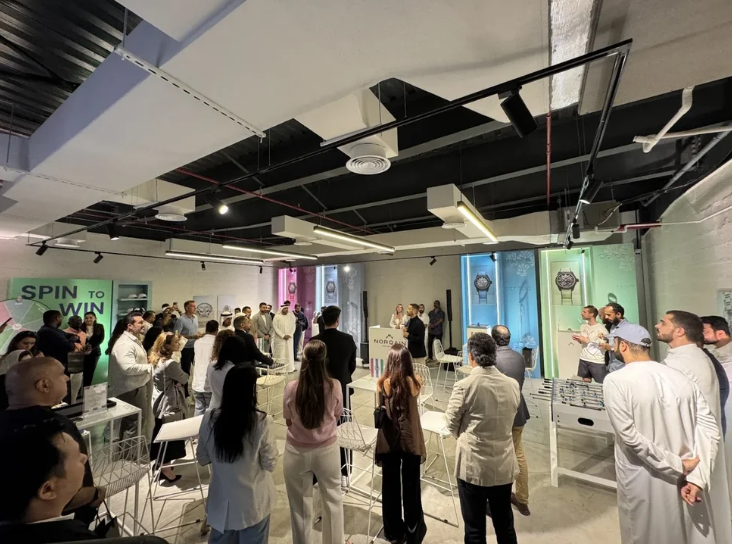
Booking a venue is often treated as an administrative task. It is not. A venue decides how people arrive, how they move, what they notice, and ultimately how they remember an event. The furniture, the signage, the lighting, even the energy of a brand all depend on the room in which they appear.
In Dubai, where expectations are high and competition for attention is constant, venue selection deserves far more consideration than availability and cost alone.
Why Venue Selection Deserves More Attention
A venue is not simply square footage and a contract.
It is arrival. It is atmosphere. It is accessibility. It is the way natural light falls across a display. It is the distance between the entrance and the experience itself.
Brands frequently approach venue selection for events in Dubai as a scheduling exercise. The strongest events approach it as a strategic decision.
By the time guests arrive, many decisions have already been made for them by the venue itself. The space determines movement, interaction, visibility, and perception long before the first conversation begins.
What Are the Biggest Venue Booking Mistakes Brands Make in Dubai?
The same mistakes appear repeatedly.
● Choosing a venue because it is inexpensive rather than appropriate.
● Ignoring accessibility and guest convenience.
● Underestimating how much space an event truly requires.
● Overlooking operational logistics.
● Booking without a proper site inspection.
None of these errors appear particularly serious when contracts are signed. All of them become expensive once installation begins.
Mistake #1: Choosing Price Before Purpose
The least expensive venue often becomes the most costly decision.
Budgets matter. They always will. Yet choosing a space purely because it offers a lower rate frequently leads to compromises elsewhere. Additional production requirements, reduced footfall, poor visibility, or difficult access can quickly outweigh the initial savings.
A venue should reflect the audience, the objectives, and the brand itself.
In venue event management in Dubai, experienced planners rarely begin with price. They begin with fit.
The question is not, “What does this venue cost?”
The better question is, “What will this venue allow the brand to achieve?”
Mistake #2: Treating Accessibility as a Secondary Detail
Accessibility rarely appears in mood boards. Yet guests notice it immediately.
Parking availability, transportation options, entrance locations, and ease of navigation all influence attendance and guest experience. A beautiful venue that is difficult to reach asks guests to work harder than they should.
Corporate events, retail activations, and brand experiences depend on removing friction.
Convenience may not feel glamorous, but it is memorable.
Mistake #3: Underestimating Capacity
A floor plan can be deceiving.
Rooms that appear generous on paper often feel constrained once staging, furniture, displays, and guests occupy the space. Conversely, oversized venues can diminish energy and make well-attended events appear underpopulated.
Capacity is not merely a number.
It is the relationship between people, movement, and atmosphere.
Successful venue selection for events in Dubai considers not only attendance but also guest flow, waiting areas, display zones, and opportunities for interaction.
The space should feel intentional, never crowded and never empty.
Mistake #4: Ignoring Event Logistics
Many of the details that determine whether an event succeeds never appear in a venue brochure.
Loading access.
Setup schedules.
Power supply.
Technical support.
AV capabilities.
Installation windows.
These operational considerations may appear mundane. They are not. They determine whether an event installs smoothly or encounters problems before guests even arrive.
Experienced venue event management teams ask operational questions early, not during setup.
The finest concepts can quickly become difficult if the venue itself cannot support them.
Mistake #5: Skipping the Site Inspection
Photographs are persuasive.
They are also selective.
A site inspection reveals what marketing materials cannot. Light changes throughout the day. Sound behaves differently in occupied spaces. Entrances feel narrower. Distances feel longer.
A venue experienced in the morning may feel entirely different at sunset.
Walking the space allows brands to understand how guests will experience it, where signage will live, how displays will appear, and whether the atmosphere aligns with the intended experience.
A venue should never be understood solely through photographs.
Understanding Dubai’s Venue Landscape
Dubai offers an extraordinary variety, but each venue category serves a different purpose.
Hotels provide polished environments for corporate events and product launches.
Outdoor venues create memorable experiences but require careful planning around weather and permissions.
Retail and mall spaces offer valuable footfall for activations and pop-ups.
Corporate venues support conferences and structured business gatherings.
Temporary and pop-up spaces deliver flexibility and immediacy.
Dubai’s retail and event landscape remains highly competitive, particularly during peak activation seasons. Popular venues and high-footfall retail spaces are often booked well in advance, making early venue sourcing an important part of successful event planning.
Brands that begin venue sourcing late often choose from what remains rather than what truly fits.
Venue Selection Checklist
Before signing any venue agreement, brands should confirm:
● Budget, deposits, and reinstatement costs.
● Expected guest numbers or footfall.
● AV and technical requirements.
● Parking and accessibility.
● Branding and signage permissions.
● Load-in procedures and setup schedules.
● Operational support during the event.
Questions asked early are far less expensive than problems discovered later.
What Experienced Planners Understand
A venue should never simply contain an event.
It should strengthen it.
The strongest venues support the brand, guide the guest, and make every other decision easier. The wrong venue quietly works against the experience from the moment guests arrive.
Space influences perception.
Good venues provide space.
Exceptional venues create atmosphere.
How The Design Pop-Up Agency Approaches Venue Sourcing
The Design Pop-Up Agency manages venue sourcing and commercial negotiation for fashion, retail, and lifestyle brands across Dubai and the UAE.
Every shortlist begins with the brand itself.
Audience.
Objectives.
Operations.
Budget.
The agency evaluates venues not simply for availability, but for suitability. Once a location is secured, furniture, signage, and spatial design can be coordinated as one cohesive experience.
The result is a venue that works not only operationally, but emotionally.
Because the best spaces do more than host events.
They shape them.
Frequently Asked Questions
How does The Design Pop-Up Agency choose the right event venue in Dubai?
The Design Pop-Up Agency begins with the audience, event objectives, budget, and required experience. Evaluate venues based on accessibility, logistics, capacity, and branding opportunities before making a decision.
What mistakes should be avoided when booking a venue?
Choosing based solely on price, overlooking accessibility, underestimating capacity, ignoring logistics, and skipping site inspections are among the most common mistakes.
Why is venue event management important?
Venue event management in Dubai ensures that operational, logistical, and guest experience considerations are addressed before contracts are signed, reducing risks and improving outcomes.
What factors affect venue selection for an event?
Location, accessibility, capacity, technical support, and branding opportunities all influence venue suitability.
How early should venues be booked in Dubai?
For most activations, six to eight weeks is advisable. During peak event seasons, particularly between October and March, booking the venue ten to twelve weeks in advance provides significantly better options.