How Custom Display Furniture Helps Luxury Brands Stand Out
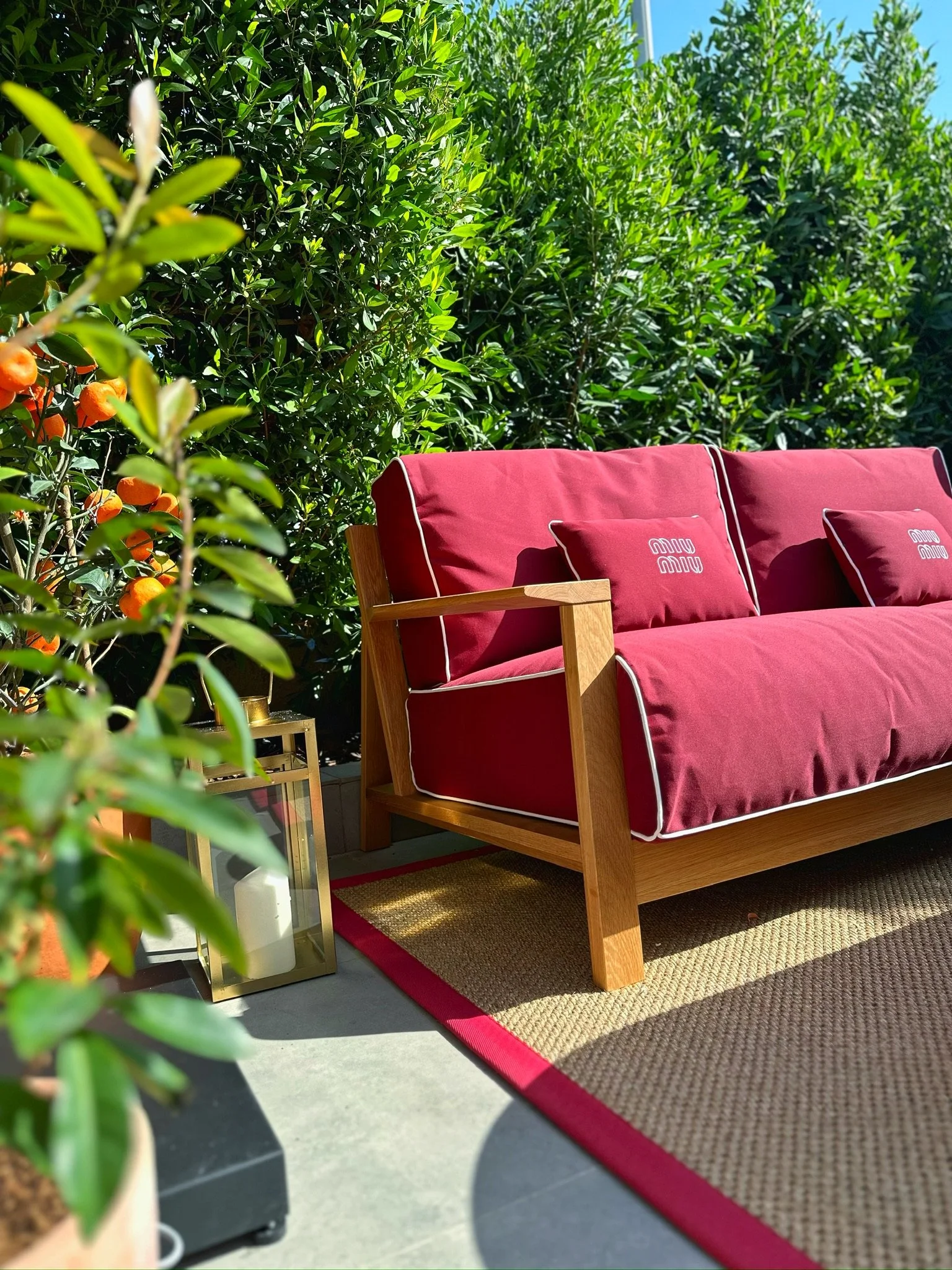
A customer decides how they feel about a brand before they touch anything. That judgment happens fast. It forms the moment they see how a product is presented.
In luxury retail, presentation isn't decoration. It's the argument itself. The most considered brands treat display furniture as strategy, not furnishing.
Custom display furniture is built for one brand's identity and products. Standard fixtures cannot do that work. This is why the difference matters.
What Is Custom Display Furniture?
Off-the-shelf fixtures are built to be forgettable. That's the point of them. Any product, from any brand, can sit on the same shelf.
Luxury brands need the opposite. Custom display furniture refers to bespoke fixtures, plinths, cabinets, and shelving. Each piece is designed for one brand, one product line, often one space. Every dimension, material, and finish is chosen with intent, not pulled from a catalog.
This is the foundation of visual merchandising. It uses physical design to tell a brand's story. That story lands before a single word is spoken.
Why Luxury Brands Rarely Use Off-the-Shelf Display Furniture
Neutral fixtures work fine for neutral brands. Luxury brands are rarely neutral. Their value depends on a distinct visual language, built over years through color, material, and proportion.
A generic rack has no relationship to that language. It doesn't know the brand exists. Custom pieces do the opposite.
A jewelry house might specify the same brass tone used in its packaging. A footwear label might echo its most recognized silhouette in the shape of a plinth. That specificity doesn't survive contact with a warehouse catalog.
The Psychology Behind Premium Product Presentation
Shoppers judge value fast. They do it before checking a price tag. Spacing tells them whether something is rare. Lighting tells them whether it's precious. The material under a product tells them whether it's worth admiring or just an item for sale.
Picture two boutiques selling the same handbag. One rests it on a plain metal shelf under flat lighting. The other places it on an illuminated custom plinth. The finish echoes the brand's packaging. Negative space lets the bag breathe.
Most shoppers assume the second store is more expensive. They decide this before reading a single price. That reaction isn't accidental. It's retail interior design doing exactly what it was built to do.
The Journey from Brand Concept to Custom Display
A display that earns its place doesn't happen in one step. It moves through a process. Each stage shapes the final result.
● Brand discovery: Understanding the brand's identity, its customer, and the story each collection needs to tell.
● Material selection: Choosing finishes, solid wood, brushed metal, glass, or stone, that align with the brand's existing world.
● Prototype creation: Building a sample to confirm proportions and finishes under real lighting.
● Fabrication: Producing the final pieces to spec. Appearance and structural durability both matter.
● Installation: Fitting the display into the actual space. Footfall, sightlines, and layout all factor in.
● Post-installation support: Maintaining or adjusting fixtures as collections change or displays move between venues.
This process is reflected in The Design Pop Up Agency's Custom Design Build service. The goal is translating a brand's identity into physical space. The brand shouldn't have to adapt to fit an existing product.
Where Custom Display Furniture Delivers the Greatest Impact
Some environments depend entirely on first impressions. Custom display furniture matters most in these settings:
● Flagship stores
● Pop-up shops
● Shopping malls
● Trade shows and product launches
● Brand activations
● Window displays
● Department store concessions
Pop-up environments deserve particular attention. They have no history to lean on. Credibility has to happen immediately. A well-built pop-up furniture setup can make a two-week activation read as deliberately as a permanent boutique.
What Makes Display Furniture Luxury
Not every well-built fixture qualifies as luxury display furniture. The distinction comes down to a handful of factors. Each one does quiet work on the customer's perception.
Premium materials: Solid wood, natural stone, glass, and metal read as intentional. Laminates and plastics read as temporary. Customers feel this even when they can't explain why.
Craftsmanship: Visible joinery, clean edges, precise finishing. These signal care. Customers notice, even without naming it.
Finishes: Matte or gloss. Warm or cool. Textured or smooth. These choices shape how a product photographs and how it feels to touch.
Lighting: Integrated LED lighting changes everything. A plinth stops being a support structure. It becomes a moment of focus.
Customization: Every measurement should serve the brand's identity. A template cannot do this, no matter how well made.
Durability: Luxury retail spaces see heavy traffic. Fixtures need to hold their finish through repeated use. This matters most in touring or pop-up formats.
Brand consistency: The same visual language should carry through every touchpoint. A flagship store and a single trade show booth should feel like the same brand.
Benefits of Custom Display Furniture
● Stronger first impressions: Customers form an opinion within seconds. Considered furniture sets that tone before anything else happens.
● Better product storytelling: Displays can highlight a product's specific materials or heritage. Generic fixtures were never designed to do this.
● Increased customer engagement: Thoughtful design invites closer inspection. It also invites longer interaction with the product.
● Social media appeal: Distinctive, photogenic environments get shared. That extends a brand's reach past the physical space.
● Flexibility: Modular custom systems reconfigure across spaces, collections, or seasons. They keep their coherence while doing it.
● Premium brand perception: Every material and finish choice reinforces one idea: this brand is considered.
● Longer lifespan: Quality construction means well-built pieces get reused across multiple activations, not discarded after one.
How Luxury Brands Measure ROI from Custom Display Furniture
Presentation and performance are hard to separate. Brands rarely rely on a single metric. Instead, they look at a cluster of signals together.
Customer dwell time, product interaction rates, and repeat visits all point to one thing: is the space holding attention. Social media shares and brand recall extend that picture beyond the store itself. No single number means much alone. Together, they show whether an environment is doing its job. That job is giving a brand's story enough time to land.
Design Trends Shaping Luxury Display Furniture
● Modular luxury displays that reconfigure across store formats without losing their premium feel.
● Sustainable materials, including responsibly sourced wood and recycled metals, responding to customer expectations that keep rising.
● Integrated lighting, moving past simple spotlighting. Light gets built into the structure, not added on top.
● Interactive technology, such as touch-enabled panels or subtle motion elements that invite participation.
● Minimalist aesthetics, where restraint and negative space are used deliberately. The product stays the focal point.
Is Custom Display Furniture Worth the Investment?
Luxury brands rarely compete on price. They compete on experience.
Custom display furniture creates that experience. It builds perceived value before a customer touches the product. That perception shapes everything downstream, from how a launch is remembered to how a brand is positioned against its category.
The investment isn't in furniture. It's in the environment that carries the brand's story every time someone walks through the door.
Final Thought
The product and its presentation are never separate stories. Custom display furniture gives a brand control over the first impression. Material, light, and proportion do the talking before any conversation happens.
The goal might be a flagship renovation. It might be a seasonal pop up. It might be a single night activation. In every case, the fixtures a brand chooses are doing more work than most customers ever consciously register.
The best displays don't ask to be noticed. They simply make the product, and the brand behind it, impossible to overlook.
Brands weighing a tailored display strategy can find that process reflected in pop-up curation and merchandising and full venue sourcing support, where the space and the story get planned together.
Frequently Asked Questions
What is custom display furniture?
Custom display furniture is bespoke retail fixtures, such as plinths, cabinets, and shelving, designed and built specifically for a brand's identity, products, and space. Unlike generic fixtures, every material, finish, and dimension is chosen with intent, allowing the display to reinforce the brand's visual language rather than simply hold merchandise.
Why do luxury brands use custom display furniture?
Luxury brands depend on a distinct visual identity to support their positioning. Standard fixtures are neutral by design, while custom pieces reflect a brand's specific colors, materials, and proportions. That consistency reinforces premium perception across every retail touchpoint, from flagship stores to short-term activations.
How does custom display furniture improve customer experience?
Custom displays guide attention through spacing, lighting, and material choices, encouraging closer engagement with products. A thoughtfully staged environment feels considered rather than transactional, which tends to increase dwell time and make the overall shopping experience feel more premium.
What materials are best for luxury display furniture?
Solid wood, natural stone, glass, metal, and high-quality acrylic are common choices, often paired with integrated LED lighting. The right material depends on the brand's existing visual identity, the durability needs of the space, and whether the display is intended for permanent or temporary use.
How long does custom display furniture take to manufacture?
Timelines vary based on complexity, material availability, and the number of pieces required. Simpler custom pieces move through design and fabrication relatively quickly, while detailed installations need more time for prototyping and finishing. Planning ahead with a design partner helps avoid last-minute pressure.
Is custom display furniture better than modular displays?
It depends on the goal. Modular displays offer flexibility and lower upfront cost, useful for brands testing formats or moving frequently. Custom furniture offers stronger brand alignment and a more premium feel, making it the preferred choice for flagship environments and high-profile activations.
Can custom display furniture be reused?
Yes. Well-built custom furniture made from durable materials can be reconfigured and reused across multiple pop-ups, launches, or seasonal refreshes. This makes it a longer-term asset rather than a single-use expense, particularly for brands that activate regularly across different venues.