How Does Brand Curation Work at a Multi-Brand Pop-Up Event?
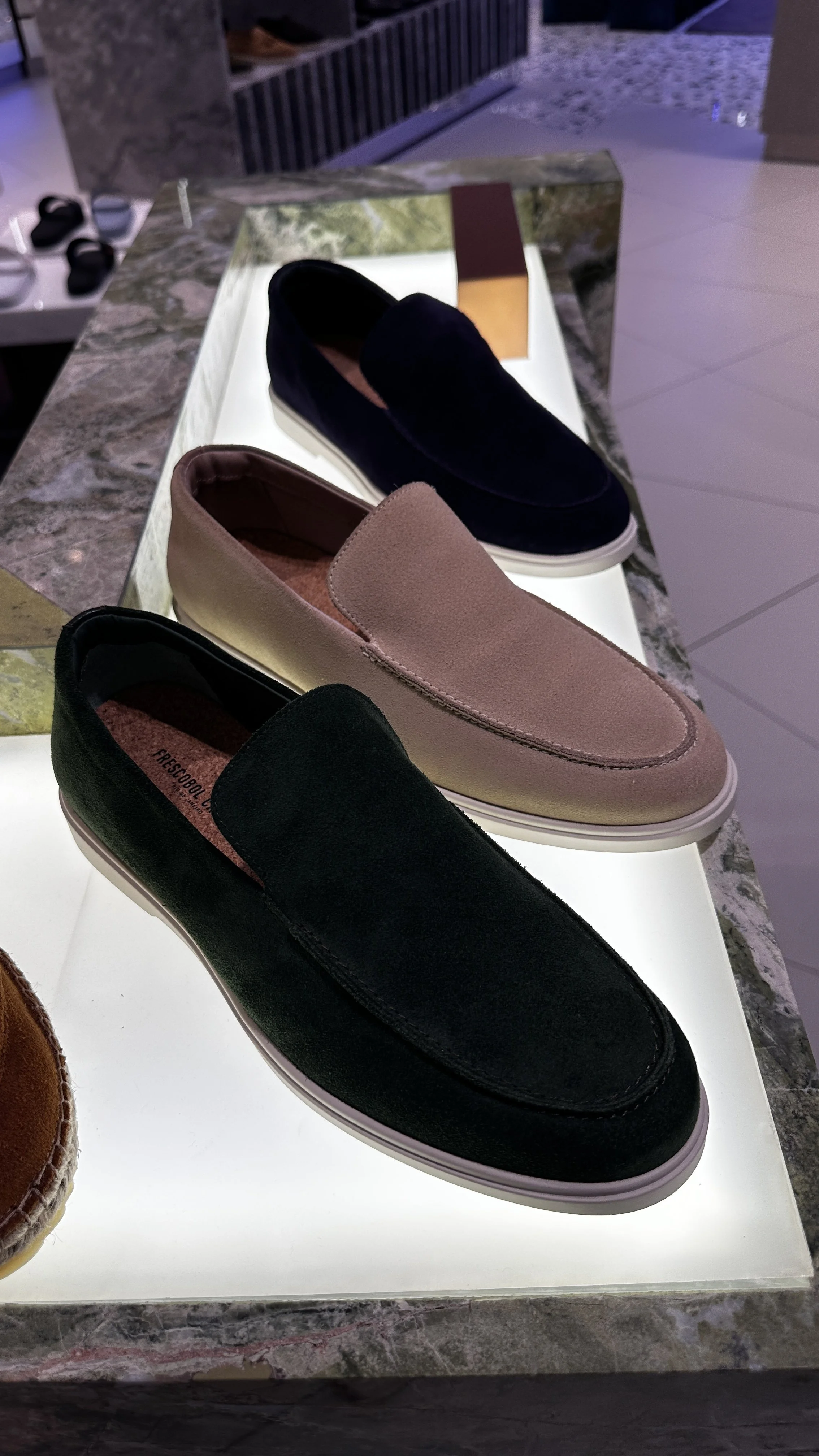
A multi-brand pop-up takes shape long before the doors open. The outcome is influenced weeks earlier, when someone argues for why this brand belongs beside that one. That argument is curation. It is one of the defining factors separating a pop-up that reads as a considered edit from one that reads as a market stall.
Curation gets mistaken for brand selection. It is closer to editing a magazine issue. Every brand admitted to the floor has to earn its place, contribute something the mix does not already have, and hold its own beside its neighbors.
What Brand Curation Actually Means in a Pop-Up Setting
An invitation list is not a curatorial strategy. Curation is the deliberate process of deciding which brands appear together, in what proportion, and in what physical relationship to one another.
It governs category balance, price positioning, visual identity, and the story the event tells as a whole. A well-curated multi-brand pop-up feels like a single statement made by several voices. A poorly curated one feels like several brands that happened to book the same room.
The difference rarely comes down to the quality of any individual brand. It comes down to whether someone took responsibility for how they sit together.
Why Curation Determines Whether the Event Succeeds
Shoppers do not evaluate a multi-brand pop-up brand by brand. They read the room as a whole within the first few seconds, and that first impression shapes how much attention every individual brand receives afterward.
A sharp curatorial edit raises the perceived value of everything inside it. Strong brands lend credibility to newer names placed alongside them. A newer name with a distinct point of view can, in turn, make an established label feel current.
Loose curation can dilute attention, blur the narrative, and make it harder for individual brands to stand out. A considered brand mix can strengthen the overall shopping experience and create opportunities for press coverage, social content, and repeat footfall.
The Criteria Behind Selecting the Right Brand Mix
Curating a multi-brand floor is a structured decision, not an instinctive one. Experienced organizers evaluate every applicant against a consistent set of criteria before anyone is confirmed.
● Brand positioning and price point, so the mix does not undercut or overshadow any single participant
● Aesthetic and material language, so visual identities sit in dialogue rather than competition
● Category balance, so the floor offers range without duplicating the same product type too often
● Audience overlap, so brands draw a shared customer base without becoming direct competitors for the same sale
● Operational fit, including stock levels, staffing, and readiness to deliver a retail grade experience for the full run of the event
This is the discipline behind curation and merchandising support, where organizers consider each applicant alongside the brands already confirmed. For fashion labels exploring temporary retail opportunities, a fashion brand pop-up or one of the many potential fashion pop-up stores can offer an opportunity to introduce products and connect with new customers.
How Layout and Merchandising Reinforce the Curatorial Vision
Selecting the right brands is only half the process. The second half is translating that selection into a physical layout a visitor can read at a glance.
Zoning carries much of that weight. Brands with complementary aesthetics sit in proximity, while those with overlapping products stay apart to avoid direct comparison. Sightlines matter just as much. A well-planned, pre-built modular pop-up structure guides movement, so visitors encounter the brand story in sequence rather than stumbling through it at random.
Signage and fixtures deliver the final line of the message. Consistent signage and fixtures across the space signal that every brand belongs to one coordinated experience, even as each maintains its own identity within it.
Who Should Lead the Curation Process
Curation works best under one point of view. That usually means an agency or event lead who understands every confirmed brand, the venue constraints, and the audience the event is built to attract, rather than each brand negotiating its own position independently.
A single point of curatorial control also guards against the most common failure mode, where popular or well funded brands crowd out smaller names simply because they asked first or pushed hardest. The strongest multi-brand events are shaped by a deliberate editorial stance, not by whoever applied earliest.
Where Venue and Timing Fit Into the Equation
Curation does not happen in a vacuum. The venue sets real limits on how many brands a floor can support, how categories can be zoned, and how much space each brand receives.
Venue sourcing should begin well before brand outreach, since the physical space determines how ambitious the curatorial concept can realistically be. Timing carries equal weight. In Dubai, pop-up organizers and participating brands should identify the permits and approvals applicable to their specific event, commercial activities, and venue. The Dubai Department of Economy and Tourism provides separate application processes for activities such as retail promotions and qualifying business events.
Brands interested in participating can find more detail in the agency's own guide to pop-up permits in Dubai, and can register interest in upcoming activations directly.
Curation, venue, and permitting are not separate workstreams. They are three parts of one decision, and the strongest multi-brand pop-ups are the ones where all three were planned together from the outset. For a closer look at why this format performs so consistently, see what makes multi-brand pop-ups so successful in Dubai.
A multi-brand pop-up is, at its core, an argument about taste. Every brand admitted makes that argument stronger or weaker. The agencies and organizers who treat curation as a discipline, rather than an afterthought, are the ones whose events are remembered long after the space is dismantled.
Frequently Asked Questions
What is brand curation in a pop-up event?
Brand curation is the process of selecting which brands participate in a shared retail space and deciding how they are positioned relative to one another. It covers category balance, price alignment, and visual compatibility, not just which brands are invited.
How many brands should a multi-brand pop-up include?
There is no fixed number. The right count depends on the size of the venue, the category mix on offer, and how much space each brand needs to present its product properly. A floor that feels generous to every brand will always outperform one overcrowded for the sake of extra names.
How do organizers avoid brands competing with each other at the same event?
Organizers manage this through category balance and audience targeting at the selection stage, then reinforce it through zoning on the floor plan. Brands with overlapping products are rarely placed side by side, and the overall mix is chosen so each one reaches its audience without cannibalizing another participant's sale.
Does brand curation affect how a pop-up is merchandised?
Yes. Curation sets the logic that merchandising then executes. Once the brand mix and zoning are decided, layout, signage, and fixture choices are built around that structure, so the space reads as one coordinated experience rather than a row of separate stalls.
Who is responsible for curating a multi-brand pop-up in Dubai?
This typically falls to the event organizer or agency running the activation, since they hold visibility over every confirmed brand, the venue limitations, and the audience the event is designed to attract. Brands interested in joining a curated event can register directly with the organizing agency ahead of the application deadline.