How Many Clothes Rails Do You Need for a Fashion Pop-Up Shop?
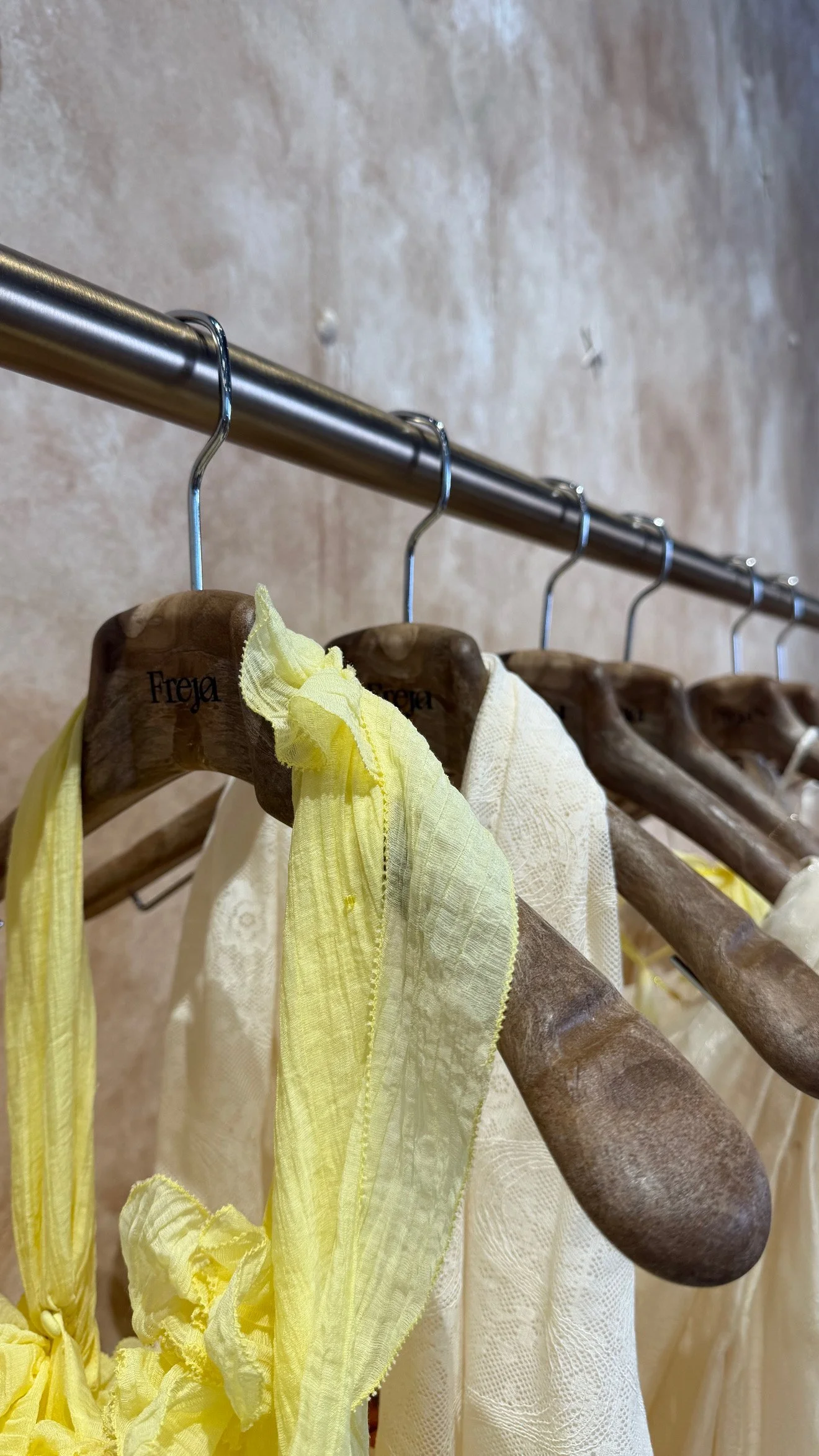
clothing rail rental
There is no single correct number of clothes rails for a fashion pop up. The right count depends on your floor space, the size of your collection, the type of garments you’re showing, and how you want customers to move through the room. A compact activation may need only a few well-spaced rails, while a larger retail space may need more to separate collections and create clear browsing zones. The real answer comes from your space and your merchandise, not from a formula.
That distinction matters more than it sounds. A fashion pop up isn't a warehouse with a till. It's a controlled first impression, and the rails are doing more work than most people give them credit for.
What Determines How Many Clothes Rails You Need
Before you can settle on a number, you need to understand what's actually driving it. A few factors carry more weight than the others.
Floor space comes first. The dimensions of the venue set the ceiling on what you can fit, long before garment count enters the conversation. A generous showroom and a compact retail unit will never call for the same setup, even with an identical collection.
Collection size and garment type matter just as much. A capsule edit of tailored pieces behaves differently on a rail than a full seasonal range of outerwear. Heavier garments need more space per piece. Delicate fabrics need room to hang without creasing against their neighbors.
Rail capacity is often underestimated. Every rail has a realistic limit before it starts to look overstuffed, and that limit has less to do with the rail's length and more to do with how much breathing room each garment needs to read clearly.
Customer flow is the factor most founders forget until they're standing in the finished space. How people are meant to move, where they pause, where they double back, all of it shapes how many rails you can place and where.
And then there's merchandising style. A brand that favors a curated, gallery like edit will always need fewer rails than one presenting a full range. Neither approach is wrong. They simply call for different quantities.
Don't Fill Every Rail to Capacity
This is the point most planning guides skip, and it happens to be the one that matters most in a fashion context. The instinct is to maximize every rail. Fit as many pieces as possible, show the full range, don't waste the space. It's the wrong instinct.
A rail packed edge to edge does not read as generous. It reads as cluttered. Customers cannot browse a wall of compressed fabric, and garments lose their shape and their presence when they're fighting for room. The goal of a fashion pop up is never volume. It's visibility.
Leaving space between pieces gives each garment a moment to be seen on its own terms. It creates breathing room, and breathing room is what separates a considered retail experience from an overflow rack. A rail that works beautifully in a spacious showroom can feel entirely different once it's placed in a compact pop up. The number of rails matters, but so does the space left around each one.
How Many Rails Do You Need for Different Clothing Collections
Different collections call for different setups, and it helps to think in terms of what you're actually showing rather than a single blanket number.
Capsule collections: A tightly edited range usually performs best with fewer rails and more space per piece, letting each item act almost like a single statement rather than one of many.
Seasonal collections: A fuller seasonal range needs enough rails to separate categories clearly, so customers aren't hunting through mixed silhouettes to find what they came for.
Womenswear and menswear: These often benefit from being split across dedicated rails rather than combined, particularly when the styling direction or hanging length differs.
Outerwear: Heavier pieces need sturdier rail capacity and wider spacing than lighter garments, so fewer items per rail is usually the right call.
Accessories and apparel combined: Mixed product types tend to need a layout that separates hanging stock from displayed pieces, rather than trying to share the same rail.
Sample sales: Higher volume events can justify a denser layout, but even then, clear sightlines and easy browsing should take priority over cramming in every last piece.
How to Position Clothes Rails in a Pop-Up Shop
Positioning is where quantity and spacing meet customer behavior. Getting the number right on paper means little if the rails end up creating bottlenecks or blocking sightlines once the doors open.
Start with pathways. Customers need a clear, unobstructed route through the space, and rails should never sit close enough together to force people into single file. Give some thought to how two people might pass each other comfortably while browsing.
Use rails to separate collections and create distinct zones, rather than lining them up in a single uniform row. This naturally guides customers through the range in a logical order and gives each section its own moment.
Avoid clustering rails near entrances or exits. That's usually where foot traffic is heaviest, and a rail placed too close to the door creates friction the moment someone walks in.
Rails can also work as subtle spatial dividers, separating the shopping area from a fitting zone or a till point without needing a permanent wall. And always leave enough clearance around fitting rooms and mirrors so customers aren't navigating around garments to reach either one.
Should You Rent or Buy Clothes Rails for a Pop-Up?
For a one off activation, renting can make more practical sense than buying. If the collection changes between events, if storage between activations is limited, or if the venue itself changes each time, rental gives you more flexibility without committing to equipment you need to store and maintain year round.
Clothes rail rental allows you to choose the number and configuration of rails around the space and the collection you’re showing. The Design Pop-Up Agency offers hanging rail rental on weekly, monthly, and yearly terms, so brands can select an option that suits the duration of their activation.
What Should You Look for in a Pop-Up Clothes Rail?
The right clothes rail should balance presentation, stability, and flexibility. The Design Pop-Up Agency’s hanging rails feature brushed stainless steel construction, sturdy birch bases, and complementary rail covers. Their adjustable configurations also make them suitable for different pop-up layouts and merchandising requirements.
Rental options are available for weekly, monthly, and yearly periods, giving brands flexibility when planning short-term activations or longer retail programs.
Quick Checklist Before Hiring Your Clothes Rails
A short list, checked before you book, saves far more time than a long one written after setup day.
Venue dimensions
Number of garments
Garment types
Number of collections or categories
Rail dimensions and capacity
Customer walkway width
Fitting room location
Mirror placement
Delivery and setup requirements
If you already know your venue dimensions and your approximate collection size, those two details are usually enough to start planning the right rail setup.
Getting the number of rails right is less about hitting a target and more about understanding how a space, a collection, and a customer move together. The strongest pop ups aren't the ones with the most rails. They're the ones where every rail earns its place.
If you're planning a fashion pop-up and want to work through your venue dimensions, collection size, or rail and fitting room layout in more detail, our merchandising support team can help you plan the setup before you commit to a venue.
Frequently Asked Questions
How many clothes rails do I need for a small pop-up shop?
For a small fashion pop up, the right number depends on the available floor space, collection size, garment types, and desired customer flow. A smaller number of well-spaced rails often works better than filling the space with merchandise.
How many garments fit on one clothes rail?
This depends on rail length, garment width, and how much space you want between pieces. A rail that looks full on paper can feel overcrowded in person, so it's worth planning for fewer garments per rail than the maximum it could technically hold.
How much space should I leave between clothes rails?
Enough for two people to browse comfortably without brushing against each other or the garments. The exact distance depends on the venue, but walkway width should always be treated as a priority, not an afterthought.
Is it better to rent or buy clothes rails for a pop-up?
For most pop ups, particularly one off or short term activations, renting offers more flexibility than buying. It removes the need for storage between events and allows the setup to change with each new venue and collection.
Can clothes rails work in a small retail space?
Yes, with the right approach. Smaller spaces generally call for fewer rails, tighter category separation, and a more disciplined edit of what's on display, rather than trying to fit in everything the collection has to offer.