How to Choose the Right Modular Pop-Up Store Size for Your Brand Activation
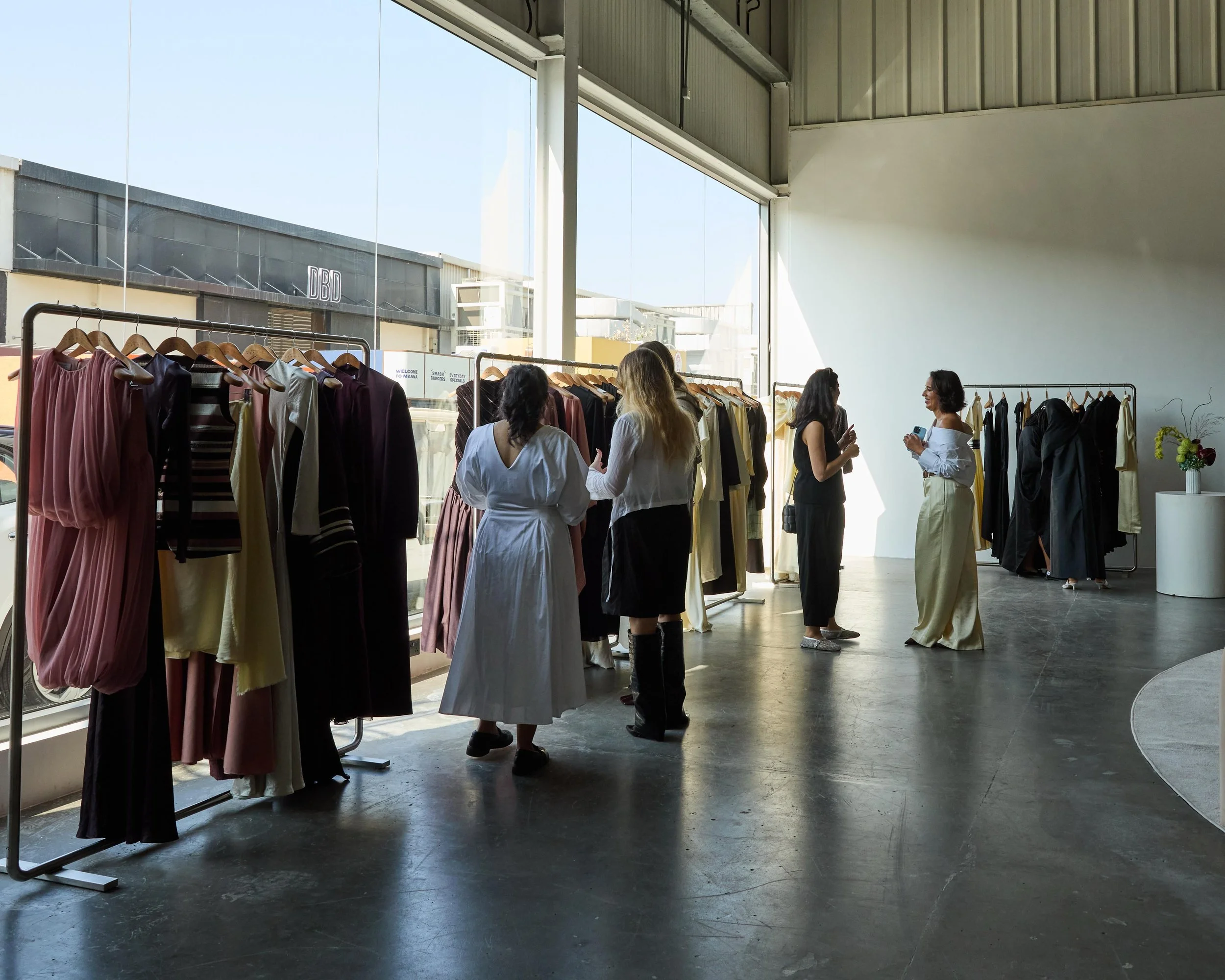
A modular popup store is rarely just a smaller version of a flagship. It is its own discipline, with its own logic. Get the size wrong, and even the most beautiful concept feels either cramped or curiously hollow.
Most brands treat size as an afterthought, deciding on the footprint only after the concept and visuals are complete. In reality, the footprint shapes everything that follows, from customer flow to product presentation. It deserves to be one of the first decisions, not the last.
Choosing the right footprint begins long before layouts and fixtures are discussed. The brands that get it right usually make that decision first, not last.
Why Store Size Matters More Than Most Brands Think
Size is not a logistics detail. It is a statement about how a brand wants to be experienced.
A space that is too generous for the product on offer reads as empty, no matter how well it is styled. A space that is too tight rushes the customer through before the story has landed. Neither serves the brand.
The right modular pop-up store size does something quieter and more useful: it controls pace. It decides how long a visitor lingers, how many products they engage with, and whether the experience feels curated or crowded. In practice, it is a merchandising decision just as much as a space planning one.
The Four Factors That Determine the Right Pop-Up Store Size
Store size rarely comes down to a single decision. Product range, customer flow, venue limitations, and campaign objectives all influence the final footprint.
● Product range: A single hero product needs very little space to feel important. A full seasonal collection needs room to breathe and be browsed without competing displays crowding the view.
● Expected visitor volume: A high-traffic mall corridor asks for a layout that lets people move through comfortably. A destination activation, where visitors arrive specifically for the brand, can support a more intimate, slower footprint.
● Venue restrictions: Mall operators, event organizers, and landlords set hard limits on ceiling height, entry width, and floor load. These constraints often decide the shape of the store before the brand has made a single design choice.
● Customer experience goals: A pop-up designed for quick product trials and purchases requires a different layout than one created for styling sessions, media events, or brand experiences. The goal shapes the space, not the other way around.
Luxury retailers, beauty brands, automotive names, and consumer electronics companies rarely choose the same footprint, because no two of them are asking a customer to do the same thing inside the space.
Small vs. Medium vs. Large Modular Pop-Up Stores
A bigger pop-up is not always the more effective one. An oversized space can feel empty and under-considered, while a compact store that is thoughtfully planned often draws people in and holds their attention longer.
A 2x2 modular pop-up store works well for focused product launches, beauty counters, and retail sampling where one clear message drives the customer experience. Its compact layout keeps the activation simple while making the best use of limited retail space.
A 4x4 modular pop-up store provides space for product display, customer engagement, and concealed storage while maintaining a smooth customer journey. It is a practical choice for brands launching seasonal collections or showcasing multiple product categories.
An 8x8 modular pop-up store creates dedicated zones for a welcome area, hero product displays, consultation, and checkout. With maximum storage capacity and a spacious layout, it supports premium brand activations and immersive retail experiences.
Can a Pre Built Pop-Up Store Be Expanded Later?
Yes. A pre-built pop-up store is designed around reusable modular components that can be expanded, reconfigured, or refreshed for future campaigns. Brands can reuse the same modular system across future campaigns while updating graphics, branded skins, and merchandising elements to suit different venues and activation goals.
This flexibility helps reduce the cost of repeated activations because the core structure can be reused while updating graphics, merchandising elements, or selected display features. Brands can adapt the same system for different venues instead of commissioning a new build for every campaign.
Common Mistakes When Choosing Pop-Up Store Size
● Sizing for the venue, not the customer: Just because a space is available does not mean it suits the brand experience being built.
● Underestimating staffing needs: A larger footprint requires more staff to keep it feeling attended to, not abandoned.
● Ignoring foot traffic patterns: A shopping mall pop-up in a low-traffic corridor will underperform regardless of size.
● Treating size as fixed: Many brands assume they must commit to one configuration for the full run, when modular systems allow adjustment as the activation evolves.
● Designing the space before confirming the brief: Product range and campaign goals should decide the footprint, not the other way around.
How The Design Pop-Up Agency Helps Brands Choose the Right Configuration
No two retail activations ask customers to behave in exactly the same way. The right configuration comes from understanding the products, the venue, and the experience the brand wants to create. That is where planning begins.
Whether the project calls for a reusable modular solution or a fully bespoke retail environment, the team manages concept development, venue sourcing, fabrication, installation, and merchandising as one coordinated process. This integrated approach helps brands create retail experiences that are practical to install, easy to adapt, and designed to support meaningful customer engagement.
Every brand has different objectives, which is why every modular popup store should begin with a clear retail strategy rather than a standard template.
Final Thought
Choosing a modular popup store size is not a logistics task handled after the concept is set. It is one of the earliest decisions that shapes how a brand will actually be experienced, and it deserves the same consideration as the product range and the campaign goals it is meant to serve.
The most memorable pop-up stores are rarely the largest. They are the ones where every square meter serves a purpose.
FAQs
What size modular pop-up store do most brands need?
Most brands need a footprint sized to their product range and venue rather than a fixed standard. A single-product launch performs well in a compact configuration, while a multi-category or experiential activation typically needs a larger, mid-to-large modular setup. The right answer is always specific to the brand and the venue, not a general rule.
Is a pre-built pop-up store suitable for shopping malls?
Yes. Pre-built popup stores are designed to be assembled quickly within existing venue constraints, which makes them well-suited to mall environments where installation windows are short and layout rules are strict. Their modular structure also allows for adjustments to fit corridor width, ceiling height, or foot traffic flow.
Can a modular popup store be reused across multiple campaigns?
Yes, provided it is genuinely modular rather than custom-built for a single layout. Reusable panels, fixtures, and display elements are one of the main practical advantages of choosing a modular system over a one-time construction.
Does a larger brand activation pop up always perform better?
No. Performance depends on how well the space matches the product range, foot traffic, and customer journey, not on scale alone. A smaller, well-planned space frequently outperforms an oversized one that feels underfilled.
How much lead time does a pre-built pop-up store typically need?
Lead time depends on venue availability, permit requirements, and the scope of customization involved. Working with a team that manages venue sourcing and build together, such as The Design Pop Up Agency, typically shortens this timeline considerably compared to sourcing each element separately.