How to Match Pop-Up Shop Signage with Your Visual Merchandising Strategy
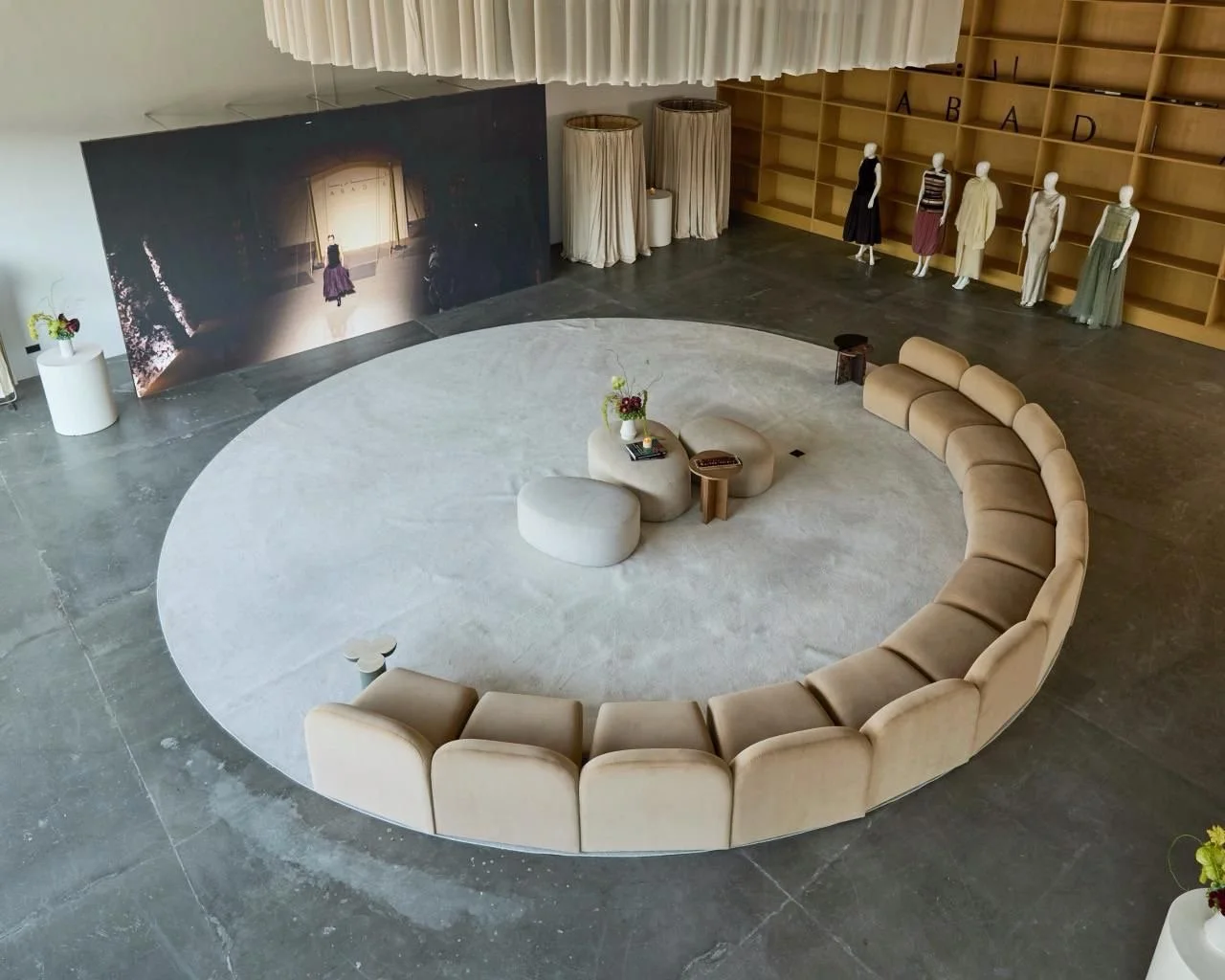
Pop-up shop signage is not a supporting player in a temporary retail space. Signage is the opening statement, the navigational system, and the brand ambassador operating in silence.
When pop-up signage aligns with a visual merchandising strategy, it stops shoppers, moves them through the space with intention, and converts curiosity into purchase decisions. When the two operate independently, the result is visual noise that dilutes the brand and confuses the customer.
This guide covers how brands can build that alignment from the ground up, whether planning a fashion launch, a beauty activation, or a seasonal luxury retail experience in Dubai.
What Is Pop-Up Shop Signage and Why It Goes Beyond Direction
Pop-up shop signage refers to all branded visual communication elements within a temporary retail space. This includes entrance displays, product identification signs, promotional banners, wayfinding markers, price communication panels, feature walls, and branded storytelling installations.
Most brands approach signage as a logistical necessity. The reality is that signage functions as a sales tool operating within the broader visual merchandising framework. According to research published by FedEx Office, 68 % of consumers say that in-store signage reflects the quality of a brand and its products. In a pop-up environment where brands have limited time and space to build brand equity, that perception carries enormous weight.
Pop-up signage works across multiple dimensions simultaneously. It communicates product value, creates emotional resonance, reinforces brand identity, and physically guides the customer journey through the space. Removing any one of these functions weakens the entire setup.
How Visual Merchandising Influences Purchase Decisions in Temporary Retail Spaces
Visual merchandising is the strategic placement and presentation of products, fixtures, lighting, and spatial design to encourage customer engagement and drive sales. In permanent retail environments, visual merchandising evolves over time through testing, observation, and refinement. In pop-up shops, there is no luxury of iteration. Brands get one setup and a limited window to make it perform.
The relationship between visual merchandising and signage in a pop-up context is direct.
Visual merchandising: establishes the narrative arc of the space, and signage anchors that narrative at every critical moment along the customer journey. A curated display of products without signage leaves shoppers interpreting the space on their own terms. Signage : that does not correspond to the visual merchandising theme creates a disconnection that shoppers register unconsciously but respond to immediately by disengaging.
Consider a luxury beauty brand launching a new fragrance line at the Dubai Mall. The visual merchandising team creates an immersive sensory environment with soft layered lighting, botanically inspired fixtures, and a curated product arrangement that tells the story of the fragrance's origins. If the signage uses a completely different color palette, a mismatched typeface, or generic promotional language, the story breaks. Shoppers sense inconsistency even when they cannot articulate it.
The Design Popup Agency works with brands across fashion, beauty, and lifestyle categories to ensure that signage and visual merchandising speak the same visual language before a single fixture is placed on the floor.
The 5 Types of Pop-Up Shop Signage Every Brand Needs to Know
Not all signage performs the same function. Understanding the distinct role of each signage type allows brands to plan a cohesive, strategic system rather than a collection of disconnected printed materials.
Exterior and Entrance Signage is the first communication point between the brand and the passing audience. In high-footfall locations like Mall of the Emirates or City Walk Dubai, exterior signage has seconds to earn attention and communicate enough to draw a shopper inside. This signage category must be bold, brand-aligned, and immediately legible from a distance.
Wayfinding and Navigational Signage manages the physical flow of customers through the space. Branded wayfinding reduces friction, prevents congestion, and guides shoppers toward priority zones, such as hero product displays or limited-edition collections. Well-designed wayfinding also prevents the aimless browsing that results in a shopper leaving without engaging with key merchandise.
Product and Feature Signage sits close to merchandise and communicates value, story, and decision-supporting information. This includes product name signs, material callouts, campaign messaging, and any content that answers the question a customer is already forming in their mind.
Promotional and Campaign Signage communicates offers, launches, or event-specific messaging. In pop-up contexts, this signage often carries the highest urgency of all because pop-up activations are, by definition, time-limited events. Effective promotional signage creates a sense of exclusivity and occasion.
Brand Story and Experiential Signage transform a transactional space into an immersive brand environment. This includes large-format graphic walls, campaign visual installations, and any signage that invites the customer into the brand's narrative rather than simply presenting product information.
How to Align Your Pop-Up Display Signage with Visual Merchandising: A 5-Step Framework
The alignment between pop-up display signage and visual merchandising strategy does not happen automatically. It requires a deliberate process that connects both disciplines from the earliest planning stages.
Step 1: Define the Campaign Objectives Before Designing Anything
The most common mistake brands make is designing signage before establishing what the pop-up activation is supposed to achieve. A product launch has different objectives than a brand awareness event. A clearance pop-up has different visual priorities than a luxury collaboration activation. Before any briefing document is written, every stakeholder must agree on measurable objectives. These objectives then determine every signage and merchandising decision that follows.
For brands working with The Design Popup Agency, this clarity happens during the initial consultation, when the activation purpose, target customer profile, and brand positioning are established before any layout or design work begins.
Step 2: Map the Customer Journey Through the Pop-Up Space
Every customer who enters a pop-up shop follows a physical journey through that space. The journey begins before they step inside, at the point where exterior signage first enters their sightline. It continues through the entrance, past key display zones, toward conversion points, and ends at the exit.
Mapping this journey means identifying every decision point where a customer pauses, evaluates, and chooses whether to continue engaging. Each of these moments is an opportunity for signage to support the customer's decision-making process. According to best practices documented in the Ecommerce Fastlane Retail Signage Guide 2025, signs positioned at eye level between 30 and 60 inches from the floor are most effective, and placement at decision points such as crossroads within the space, product display ends, and checkout areas drives measurable increases in engagement.
Step 3: Align Signage Themes with Visual Merchandising Concepts
Once the customer journey is mapped, the visual merchandising concept and the signage design must be developed in parallel, not sequentially. This is where most brands fall short. The merchandising team builds the display concept, and then the marketing team produces signage separately, often resulting in visual disconnection.
Alignment means the same color story, the same typographic hierarchy, the same material references, and the same brand voice appear across both the physical displays and all signage. If the visual merchandising concept uses warm brass fixtures and dark green tones for a sustainable luxury narrative, the signage must reflect those same choices in material, finish, and color. At The Design Popup Agency, this integrated approach is fundamental to every pop-up shop design brief.
Step 4: Maintain Brand Consistency Across Every Signage Touchpoint
Brand consistency in a pop-up shop is more demanding than in a permanent retail environment because there is no institutional familiarity to compensate for inconsistency. Shoppers encountering the brand for the first time in a temporary space form their entire brand impression from what they see during that single visit.
Every signage element must draw from the same brand identity system. Logo placement, typography, color, tone of voice, and image treatment must remain consistent from the entrance banner to the smallest product tag. This consistency does not mean every sign looks identical. It means every sign is visibly part of the same brand family.
Step 5: Test Visibility and Readability Before the Activation Opens
Signage that cannot be read does not function. Readability testing should include evaluation at multiple distances, under the lighting conditions that will be present during the activation, and at the heights at which each sign will be mounted. Outdoor and indoor light conditions affect color rendering significantly. A sign that reads clearly in a studio setting may lose contrast entirely under the warm overhead lighting of a retail corridor in Dubai Mall.
The Design Popup Agency recommends scheduling a full signage walkthrough of the space before the activation opens to the public. This walkthrough should replicate the customer's experience, including approaching from the direction most customers will come from, moving through the space at a natural pace, and evaluating every sign for legibility, placement accuracy, and brand alignment.
7 Signage Elements Every Pop-Up Shop Needs
Effective pop-up shop signage is not about producing as many signs as possible. It is about producing the right signs, in the right places, with the right messages. The following checklist covers the essential signage elements that every pop-up shop should include.
Brand Entrance Display: A high-visibility exterior or entrance piece that communicates the brand identity and draws attention from the surrounding foot traffic.
Directional Wayfinding Signs: Clear internal navigation that guides customers through the space without creating confusion or congestion at key transition points.
Hero Product Feature Sign: Dedicated signage positioned adjacent to the primary product or collection the activation is designed to showcase.
Campaign Narrative Panel: A larger format sign or installation that communicates the brand story, campaign concept, or product origin story driving the activation.
Price and Product Information Signs: Clear, legible product-level signage that answers the customer's immediate questions without requiring them to ask a staff member.
Promotional Call-to-Action Signage: Time-sensitive messaging that communicates the urgency or exclusivity of the pop-up event and what action the customer should take.
Social Sharing Focal Point: A designed photographic moment within the space that is supported by branded signage or graphic elements and encourages organic social media sharing.
Signage Considerations for Different Pop-Up Shop Categories
Fashion Pop-Up Shops
Fashion activations require signage that carries editorial weight. Signs in a fashion pop-up must feel curated, not commercial. Typography choices become as important as imagery, and the material of the signage itself, whether that is printed fabric, brushed metal, or lacquered board, communicates as much as the words printed on it. For a fashion pop-up at Dubai Design District, the signage should feel consistent with the editorial positioning of the brand's campaign imagery.
Beauty Brand Launches
Beauty activations often carry complex product narratives, particularly in fragrance, skincare, and color cosmetics. Signage in a beauty pop-up must communicate product benefits and brand positioning while maintaining aesthetic elegance. Overcrowding a beauty pop-up with instructional signage destroys the luxury atmosphere. Effective beauty pop-up signage selects the most compelling single claim per product zone and lets the visual merchandising carry the rest of the communication.
Luxury Product Activations
In luxury activations, restraint is a signage strategy. Fewer signs of exceptional quality communicate higher brand value than many signs of average production. Signage materials matter enormously in a luxury context. Acrylic, polished metal, printed canvas, and custom fabricated structures convey craftsmanship. Foam board and standard vinyl do not. Luxury brand activations in venues such as Mall of the Emirates or Bluewaters Dubai demand signage that is indistinguishable in quality from the product being sold.
Seasonal Retail Experiences
Seasonal pop-ups, including Ramadan activations, summer campaigns, and Dubai Shopping Festival installations, benefit from signage that connects the brand to the season without abandoning brand identity. Seasonal signage should layer campaign-specific messaging over the brand's existing visual language rather than replacing that language entirely. Customers should be able to identify the brand from the signage before they read a single word.
Retail Signage Design Principles That Apply Specifically to Pop-Up Environments
Several retail signage design principles carry particular relevance in pop-up contexts, where the space is temporary, the customer relationship is often first-encounter, and the brand cannot rely on prior familiarity to carry the experience.
Hierarchy scales down in compressed footprints. Because a pop-up shop typically operates in a much smaller footprint than a permanent retail store, visual clutter happens quickly. For pop-ups operating under 50 square meters, visual hierarchy must tighten: primary messaging must sit within an optimal 30-to-60 inch eye-level window to immediately match compressed customer conversion zones.
Material quality signals brand quality. Research from the retail industry consistently shows that consumers form product quality judgments based on the perceived quality of the environment surrounding the product. In a pop-up context, signage is a primary environmental quality signal. Investing in premium signage materials is not an aesthetic indulgence. It is a sales strategy.
Motion creates attention. In high-traffic retail corridors where shoppers are navigating a visual landscape full of competing brand messages, a digital display element or a moving signage component earns disproportionate attention. Brands with the budget to incorporate dynamic digital signage into their pop-up display signage gain a significant engagement advantage in crowded retail environments.
Simplicity performs better than information density. A sign with one clear message outperforms a sign with five messages in every consumer attention study. Pop-up signage must be ruthlessly edited to prioritize the single most compelling communication at each touch point in the customer journey.
Why You Must Brief Your Signage and Visual Merchandising Strategies Together
The most important structural decision a brand can make before beginning any pop-up activation is to brief signage and visual merchandising together, using a single integrated creative document. This brief should define the campaign concept, the visual language, the customer journey touchpoints, the signage requirements by zone, and the brand consistency standards that apply to all physical elements.
Brands that brief these disciplines separately almost always produce activations where something feels slightly off, where the displays are beautiful but the signs feel generic, or the signs are attention-grabbing but visually disconnected from the product story being told through the merchandise arrangement.
The Design Popup Agency specializes in the integrated planning of pop-up shop environments where signage, furniture, layout, and visual merchandising operate as a single cohesive system from the first briefing session through to the final activation walkthrough. For brands planning pop-up events in Dubai's premium retail and lifestyle venues, this integrated approach is not optional. It is the difference between a pop-up that generates social content and word-of-mouth and one that generates neither.
Frequently Asked Questions
What signage is needed for a pop-up shop?
A complete pop-up retail setup requires five core signage types to map the customer journey: entrance displays for traffic draw, directional wayfinding markers for internal navigation, product feature signs for value communication, promotional call-to-actions for exclusivity, and an experiential focal point for social sharing. The exact configuration scales based on footprint, product zones, and the brand's visual identity system.
How do you design effective pop-up signage?
Effective pop-up signage design begins with a clear campaign objective and a defined brand visual identity. Design decisions covering typography, color, material, and scale should all serve the same customer journey goal. Each sign should carry one primary message, be visible and legible from the distance at which the customer will encounter it, and be visually consistent with every other brand element in the activation space.
What is the difference between retail signage and event signage?
Retail signage is designed to work in a fixed location over an extended period and typically focuses on product information, pricing, and ongoing promotional communication. Event signage is produced for a specific activation, carries campaign or moment-specific messaging, and is often designed to be installed and removed within a short operational window. Pop-up shop signage occupies a middle position, combining the product communication functions of retail signage with the campaign specificity and temporary installation requirements of event signage.
How does signage support visual merchandising in a pop-up shop?
Signage supports visual merchandising by anchoring the spatial narrative at every critical customer touchpoint. While visual merchandising establishes the aesthetic environment and product presentation, signage provides the targeted language that contextualizes, explains, and amplifies what the customer is looking at.
Can The Design Popup Agency help with both signage and visual merchandising for a pop-up in Dubai?
The Design Popup Agency offers integrated pop-up shop design services in Dubai that cover layout planning, furniture and fixture selection, visual merchandising direction, and branded environment design. For brands planning activations at venues including Dubai Mall, Mall of the Emirates, Dubai Design District, City Walk, and Bluewaters Dubai, The Design Popup Agency provides the end-to-end expertise needed to ensure every element of the space, including signage, works as part of a single coherent brand experience.
What makes pop-up display signage different from standard promotional signage?
Pop-up display signage is designed specifically for a temporary branded environment. It integrates with the physical display fixtures and spatial layout of the pop-up rather than operating as standalone communication. Standard promotional signage is typically produced for broad retail or marketing contexts. Pop-up display signage accounts for the specific sightlines, lighting conditions, spatial flow, and brand positioning of a single activation event, making it far more precision-targeted than general promotional materials.