How to Use Display Zones in Pop-Up Shop Design
Temporary retail lives on attention. A passerby slows down, looks in, and decides almost instantly whether the space is worth exploring. When the layout feels confusing, people rarely stay long enough to understand the products.
This is why thoughtful pop-up shop design matters. Even a small space can feel organized if products are arranged with intention. One of the simplest ways to achieve that structure is by dividing the store into display zones.
For brands that rent a pop-up shop, zones help turn an empty room into a place where customers move naturally from one display to the next.
Begin With a Clear Entry Point
The entrance should never feel busy. People need a moment to understand what they are stepping into.
A strong entry display usually focuses on one idea rather than many. It could be a mannequin styled with a full look, a small table presenting a hero product, or a clean arrangement that reflects the mood of the collection.
In an effective pop-up shop design, this first display works almost like an introduction. It gives visitors a reason to pause and look further inside.
Establish a Central Focus
After entering the store, customers instinctively look for the main display. The area may feel disorganized without it.
This central area is where the most recognizable pieces of the collection usually sit. Some brands use plinths. Others prefer mannequins or simple display tables. The goal is not complexity. It is clarity.
Brands often rely on a central display because it anchors the entire layout. Once that focal point is clear, the rest of the store becomes easier to navigate.
Allow Space for Browsing
Once the key products have captured attention, customers usually begin exploring the wider collection.
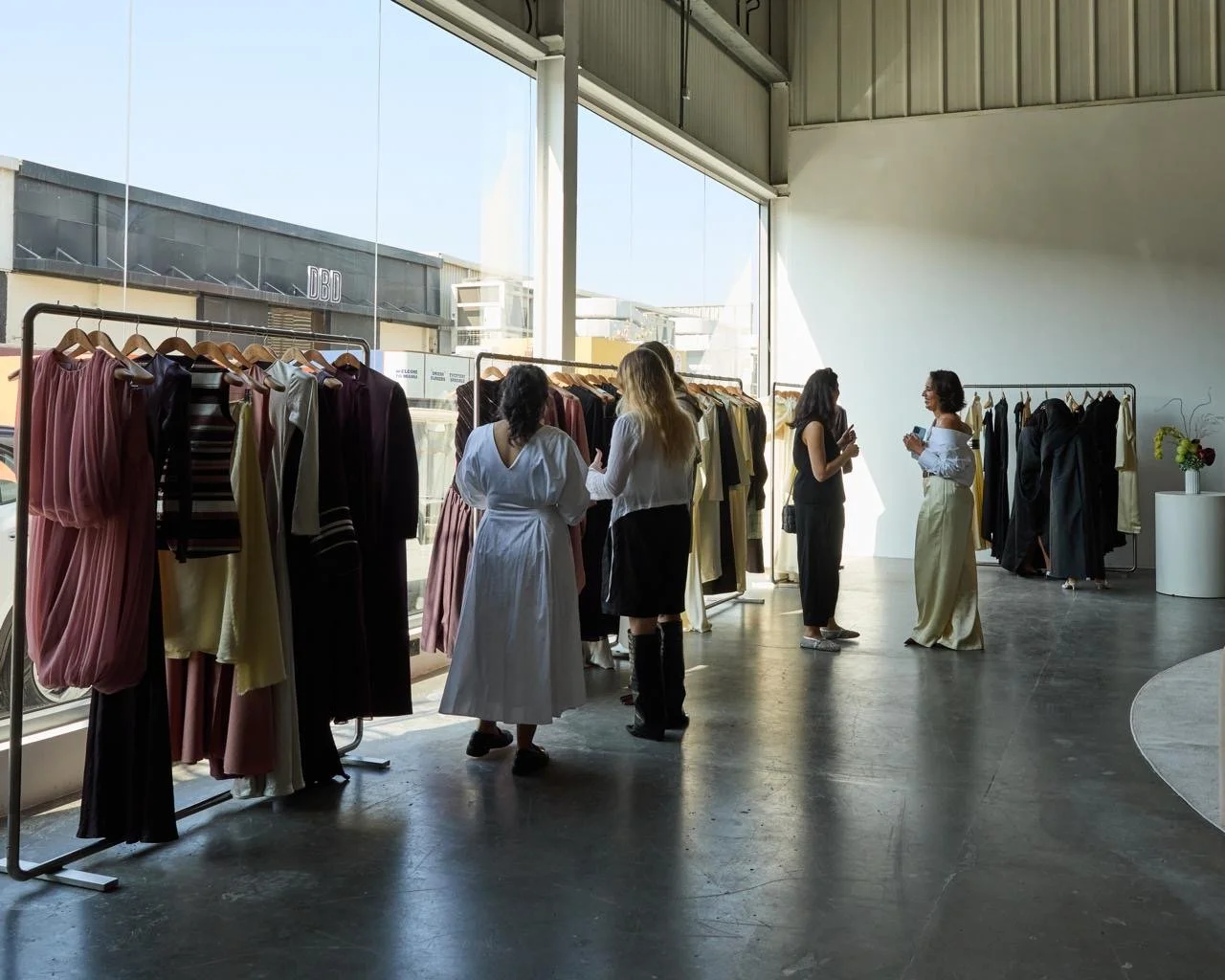
This is where browsing zones come into play. Clothing rails, shelving, or grouped displays allow visitors to interact with products at their own pace. The layout should feel open enough that people can move comfortably without stepping around obstacles.
In good pop-up shop design, browsing areas feel relaxed rather than crowded. Customers stay longer when they feel they can move freely.
Use Quiet Areas Between Displays
Not every part of a store needs to hold products.
Small open areas between displays help the layout feel calmer. They give visitors time to process what they have just seen before encountering the next display. Without these pauses, a pop-up can feel overwhelming.
For brands that rent a pop-up shop from The Design Pop-Up Agency, leaving small gaps in the layout can make the space appear larger and more welcoming.
Place the Interaction Area Carefully
Eventually visitors reach a point where they want to interact with the brand. This might be a checkout counter or simply a place where staff can answer questions.
The important detail is positioning. The interaction area should feel easy to approach without interrupting the rest of the store. If the counter blocks movement, customers may hesitate to explore further.
A balanced pop-up shop design places this area naturally along the path customers already follow.
Keep the Layout Flexible
Pop-up stores change constantly during the day. Some displays attract more attention than expected. Some products sell faster than others.
Because of this, flexibility is valuable. Lightweight furniture and movable displays allow small adjustments without disrupting the overall layout.
Brands often benefit from adaptable setups because each new location brings slightly different spatial challenges.
Why Display Zones Work
When zones are planned well, visitors rarely notice them consciously. They simply experience the store as easy to understand.
The entrance invites them in. A central display captures attention. Browsing areas encourage exploration. The interaction zone provides a natural conclusion to the visit.
Instead of feeling temporary or improvised, the store feels structured and intentional.
Final Thoughts
A pop-up does not need elaborate architecture to succeed. What it needs is clarity.
Using display zones in pop-up shop design helps organize products and guide customers through the space. Each area plays a small role in shaping how the store is experienced.
For brands preparing to rent a pop-up shop from The Design Pop-Up Agency, thinking in zones can make even a modest retail space feel purposeful, calm, and easy to explore.
Frequently Asked Questions
What are display zones in pop-up shop design?
Display zones are specific sections within a store layout where certain products or themes are presented. In pop up shop design, they help structure the space and guide customers naturally through the store.
Why are display zones important when you rent a pop-up shop?
When brands rent a pop-up shop, the space is temporary and often limited. Display zones help organize products so customers can easily understand and explore the collection.
How many display zones should a pop-up store include?
Most pop-up stores use three to five zones, including an entrance display, a feature product area, a browsing section, and a checkout or interaction space.