How to Finalize Pop-Up Shop Design With Limited Setup Time
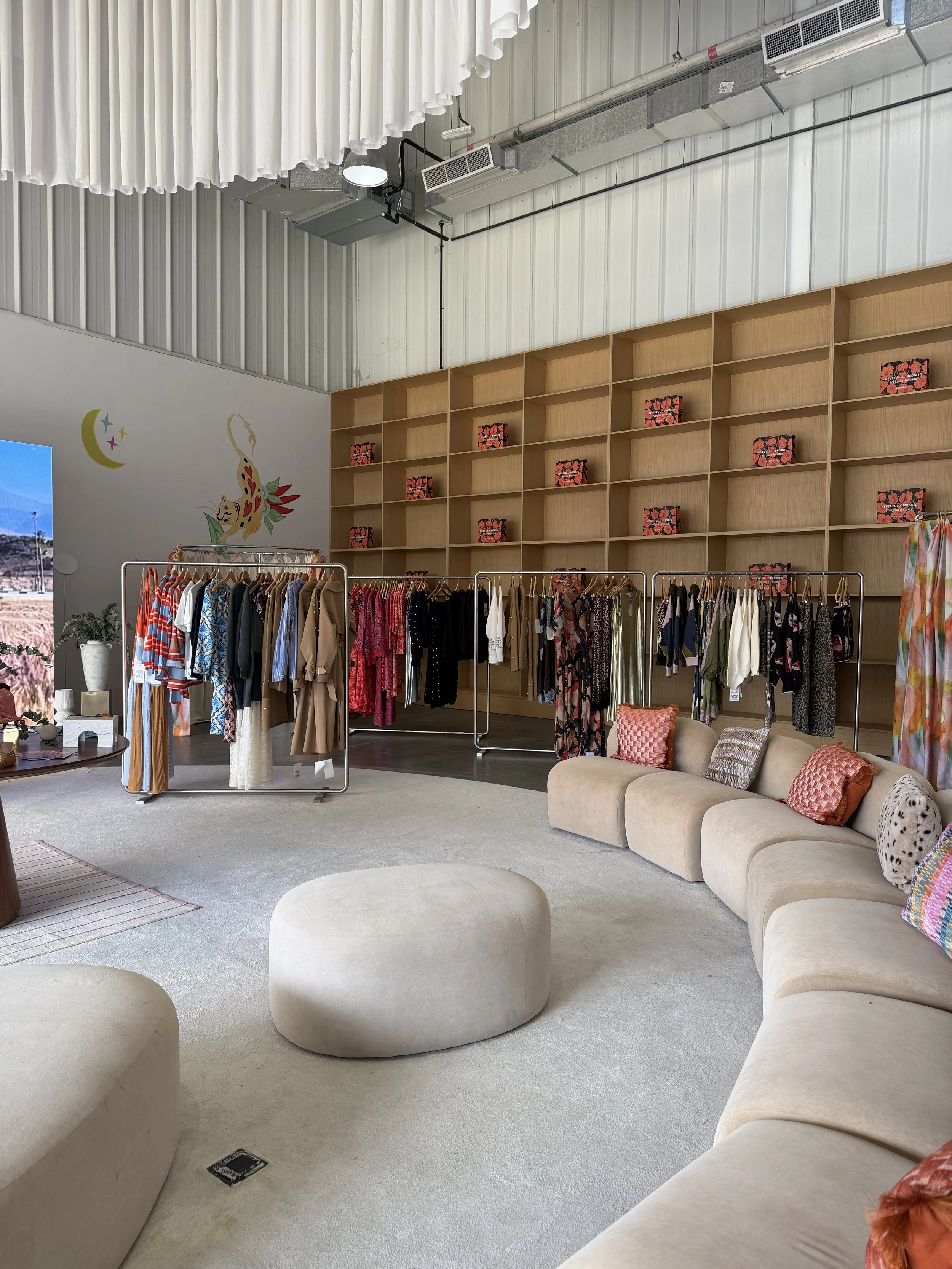
Pop-ups rarely go exactly as planned. Access gets delayed. Deliveries run late. A full setup day can turn into a few rushed hours without much warning.
At that point, pop-up shop design becomes less about perfection and more about clarity. The space still needs to feel considered, even if time is tight. Customers will not see the timeline behind the build. They will only see what is in front of them.
For brands planning to rent a pop-up shop, the final setup window is often where the entire experience is decided.
Focus on What Customers See First
When time is limited, not everything can be treated equally.
The entrance matters most. It sets expectations. A single strong display near the front usually works better than multiple smaller ones. It gives visitors a reason to pause and step inside.
In most cases, if the first impression works, the rest of the pop-up shop design becomes easier to build around.
Adjust the Plan to the Actual Space
Layouts rarely translate perfectly from paper to reality. Once you step inside the unit, proportions feel different. Some areas look tighter. Others feel more open than expected.
Instead of forcing the original layout, it helps to adapt quickly. Look at where people would naturally walk. Notice where the space feels blocked or too empty.
A practical pop-up shop design responds to the space rather than trying to correct it.
Do Less, but Do It Well
When time is short, adding more elements usually creates problems.
A few well-placed displays often achieve more than a full room of furniture. Clear sightlines help customers understand the store immediately. Open space allows them to move without hesitation.
For brands, reducing the layout often leads to a cleaner and more confident result.
Build Around One or Two Strong Displays
Trying to give equal attention to every product slows everything down.
It works better to highlight a small number of key pieces first. A mannequin, a central table, or a feature rail can anchor the space. Once that is in place, supporting displays can be arranged around it.
This approach helps finalize the shop design quickly without losing structure.
Keep Movement Obvious
Customers should not need to think about where to go. If the path through the store feels unclear, they will not stay long.
A simple layout works best under time pressure. Enter, move forward, pause, continue. That natural sequence should feel easy.
When brands rent a pop-up shop, keeping movement straightforward often improves the experience more than adding extra displays.
Leave Space to Adjust Later
Not everything needs to be perfect before opening.
Once the pop-up is live, small changes can still be made. A table can shift slightly. A display can be refined. These adjustments are easier to manage once the main structure is in place.
A flexible pop up shop design allows these refinements without disrupting the overall layout.
Final Thoughts
Limited setup time changes how decisions are made. It removes the option to experiment and replaces it with the need for clarity.
By focusing on what matters, simplifying the layout, and adapting to the space, brands can finalize pop-up shop design without compromising the experience.
For those planning to rent a pop-up shop, the goal is not to build more. It is to build what works, quickly and with intention.
Frequently Asked Questions
How do you finalise pop-up shop design when setup time is limited?
Start with the entrance and main display, then ensure clear pathways. A simple pop-up shop design helps customers understand the space quickly without needing extra adjustments.
Why is it important to simplify pop-up shop design for short setups?
When brands rent a pop-up shop, time is limited. A simpler layout installs faster, reduces clutter, and makes it easier for customers to move and browse comfortably.
What should you prioritize after you rent a pop-up shop?
After you rent a pop-up shop, focus on layout flow, product visibility, and a strong first display so the space feels organized and ready from the moment it opens.