Why Minimal Furniture Often Works Better for Pop-Ups
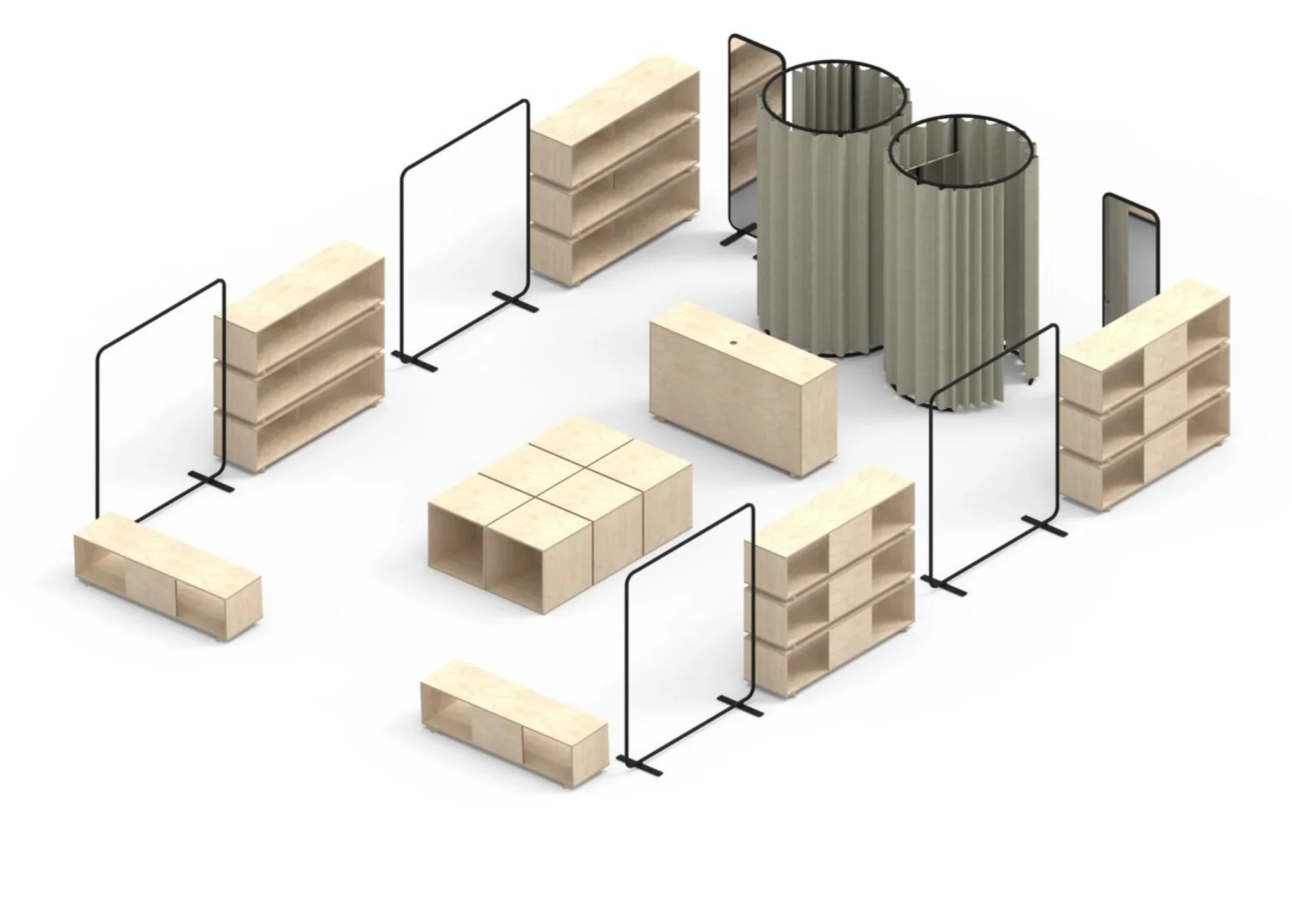
Pop-ups are designed to arrive with confidence and leave before attention fades. They do not rely on volume or permanence. They rely on timing. That is why furniture decisions matter more than they appear to at first glance.
In temporary spaces, excess furniture creates resistance. It slows movement. It distracts from products. It complicates setup. Minimal pop up furniture, when chosen carefully, does the opposite. It creates clarity and keeps the experience moving.
The Difference Between Filling Space and Shaping It
Many pop-ups begin with the instinct to fill every corner. Tables are added because they seem useful. Chairs are included because seating feels expected. Very quickly, the space starts to feel compressed.
Minimal pop-up furniture avoids that problem by focusing on purpose instead of quantity. Each piece earns its place. A single table can define a zone. One rail can frame a collection. The space between objects becomes part of the design rather than a leftover area.
Movement Matters More Than Furniture Count
People experience pop-ups while walking. They pause briefly, adjust their pace, then continue on. Furniture that interrupts this rhythm creates hesitation.
Open layouts encourage curiosity. Visitors step in, look around, and move naturally. Minimal furniture supports this flow instead of competing with it. The space feels easier to navigate, which keeps people engaged longer without making them feel crowded.
This approach becomes especially important in busy environments where attention is already divided.
Faster Setup With Fewer Complications
Pop-up installations rarely come with generous timelines. Access hours are limited. Venues have strict rules. Delays quickly add pressure.
Minimal layouts simplify setup. Fewer pieces mean fewer decisions, fewer adjustments, and less time spent moving furniture around. Teams can focus on alignment, lighting, and presentation instead of assembly.
Using event furniture rental supports this process. Rental pieces are designed for temporary use. They arrive ready, move easily, and can be repositioned without disrupting the schedule.
Flexibility During Live Trading Hours
Pop-ups change once doors open. Stock levels shift. Displays need refreshing. Visitor behaviour does not always match expectations.
Minimal furniture makes adaptation easier. When the layout is light and uncluttered, small changes can be made quickly. A table can be shifted. A display can be removed. The space stays controlled even when adjustments are needed mid-day.
This is one of the reasons event furniture rental works well for pop-ups. It allows teams to respond instead of react.
Letting Products Take the Lead
The strongest pop-ups do not compete with their own products. They give them room to stand on their own.
Minimal pop up furniture places emphasis where it belongs. On material. On form. On detail. Visitors notice quality more clearly when their view is not blocked by unnecessary objects.
This restraint also improves photography and content capture, extending the life of the pop-up beyond the physical space.
Creating a Calm Brand Impression
Pop-ups are often a first physical interaction with a brand. That moment carries weight.
Minimal furniture communicates confidence. It suggests that choices were intentional, not rushed. Even without analysing it, visitors sense when a space feels composed and deliberate.
The result is a pop-up that feels temporary in duration, not in quality.
Knowing When to Stop Adding
Minimal does not mean empty. It means finished.
The right amount of furniture supports browsing, movement, and interaction without demanding attention. That balance is easier to achieve when furniture is selected specifically for the event rather than pulled from a permanent inventory.
This is why, when organizing pop-ups, many teams rely on event furniture rental. Once the area feels finished, it enables them to stop adding pieces.
Final Thoughts
Pop-ups succeed when they feel effortless. That effortlessness usually comes from restraint.
Minimal pop-up furniture from The Design Pop Up Agency helps reduce setup stress, improve flow, and keep the focus where it belongs. In a format built on speed and impact, doing less often delivers more.
Frequently Asked Questions
1Why does minimal pop-up furniture work well for short activations?
Minimal pop-up furniture keeps layouts open, reduces setup time, and allows visitors to move comfortably without distractions or congestion.
Is event furniture rental suitable for minimal pop-up layouts?
Yes. Teams can easily modify layouts and choose only necessary pieces with event furniture rental, avoiding the need to purchase extra furniture.
How do brands decide what furniture a pop-up actually needs?
Brands assess space size, visitor movement, and product focus, then include furniture that supports interaction rather than filling empty areas.