5 Signage Mistakes Brands Make at Dubai Pop-Up and Retail Events
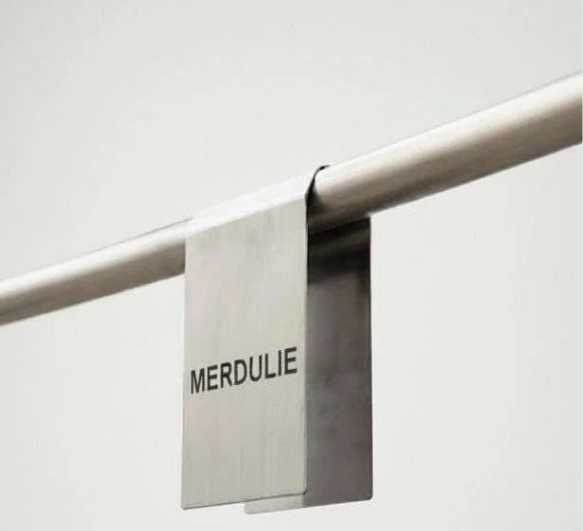
A pop-up has only a few seconds to earn attention.
Not the product.
Not the staff.
Not even the experience itself.
The decision is often made before someone crosses the threshold, and that decision belongs almost entirely to the signage.
Brands spend months refining collections, negotiating venues, and developing campaigns. Signage is frequently left until the end, assigned to whoever happens to have time. The results are visible everywhere: beautiful spaces that nobody notices.
In retail, visibility is not decoration.
It is strategy.
Why Signage Matters More Than Brands Realize
Before a brand speaks, its signage already has.
It tells visitors what they are looking at. It suggests whether they belong there. It decides whether the experience feels considered or improvised.
In Dubai’s retail landscape, where mall corridors compete for attention and every storefront fights for the same audience, signage often determines whether someone stops or simply continues walking.
The strongest brands understand that custom event signage in Dubai is not an accessory.
It is the first conversation.
What Are the Most Common Signage Mistakes Brands Make at Events?
Several mistakes appear repeatedly.
Prioritizing decoration over visibility.
Allowing signage to drift from the brand identity.
Ignoring interior wayfinding.
Underestimating venue lighting.
Overlooking venue regulations until installation.
Each mistake is preventable.
Few are inexpensive to correct.
Mistake #1: Designing for the Close-Up Rather Than the Approach
Design teams often view signage from a laptop screen.
Customers do not.
A sign that appears elegant from half a meter away may disappear entirely from fifteen meters across a mall atrium. Scale behaves differently. Contrast behaves differently. Typography behaves differently.
The real test is not the presentation slide.
It is the customer approaching from the opposite side of the corridor.
Successful exhibition signage in Dubai is designed for distance first and detail second.
If a sign cannot command attention before someone reaches it, it has already failed.
Mistake #2: Allowing Signage to Drift Away From the Brand
Customers notice inconsistency immediately.
Perhaps they cannot explain it, but they feel it.
The website appears refined. The packaging feels luxurious. The social presence is carefully considered. Then the physical space arrives with unrelated typography, unfamiliar colors, and materials that belong to another brand entirely.
Signage should never feel separate from the brand.
It should feel inevitable.
Typography, finish, tone, and color must travel seamlessly from digital platforms into physical environments. A brand that feels polished online and improvised in person rarely has a marketing problem.
It has a signage problem.
Strong branded signage solutions in Dubai extend identity rather than reinvent it.
Mistake #3: Ignoring Wayfinding Inside the Space
Exterior signage receives the attention.
Interior signage is often forgotten.
Yet once customers enter, uncertainty becomes expensive. People should never wonder where products are displayed, where fitting rooms are located, or where purchases are completed.
Luxury retail has long understood this principle.
Movement should feel intuitive.
Trade exhibitions, product launches, and retail activations frequently invest heavily in dramatic entrances while leaving the interior largely unexplained. The result is confusion, reduced engagement, and shorter visits.
Good wayfinding is rarely noticed.
Poor wayfinding always is.
Mistake #4: Underestimating Lighting
Light changes everything.
Colors shift.
Finishes change.
Materials behave differently.
Every retail venue in Dubai presents unique lighting conditions. A matte finish that appears rich in a studio may disappear beneath cool overhead lighting. Backlit panels that feel dramatic during design presentations can become overpowering inside a shopping mall.
Lighting is not a technical consideration.
It is a design consideration.
The strongest custom event signage Dubai projects are tested inside the actual venue, at the actual time the activation will operate.
Anything less is guesswork.
Mistake #5: Treating Compliance as Someone Else’s Problem
Creative ambition often moves faster than approval processes.
Every retail venue, shopping mall, and event space in Dubai operates according to its own rules regarding signage, branding, installation, and visibility.
What works in one venue may be prohibited in another.
Brands that finalize designs before confirming these requirements often discover restrictions during installation, precisely when changes become expensive, and deadlines become unforgiving.
Regulations may feel administrative.
Their consequences are not.
What Experienced Brands Understand
Signage is often the first physical encounter between a brand and its audience.
The brands that understand this create spaces that feel complete rather than assembled.
This distinction appears repeatedly:
Fashion product launches where signage establishes anticipation before the collection appears.
Retail activations competing against surrounding storefronts.
Pop-up experiences with limited installation windows.
Corporate events requiring refinement without excess.
With Dubai’s prime retail occupancy remaining at 98 percent during the first quarter of 2026, according to CBRE’s UAE Real Estate Market Review, visibility has become increasingly valuable.
Once the venue is secured, signage is one of the few elements a brand completely controls.
How it uses that opportunity matters.
Pop-Up and Retail Event Signage Checklist
Before approving signage, brands should confirm:
Visibility has been tested from realistic viewing distances.
Typography, color, and finishes align with the brand identity.
Interior wayfinding has been planned.
Lighting conditions have been assessed on-site.
Venue and mall regulations have been approved.
Materials suit the environment and installation period.
Questions answered early prevent compromises later.
How The Design Pop-Up Agency Approaches Signage
The Design Pop-Up Agency designs and supplies signage, fixtures, and branded environments for retail activations, pop-ups, and short-term experiences across Dubai and the UAE.
Every solution begins with the venue.
The lighting.
The audience.
The viewing distance.
The brand itself.
Furniture, fitting rooms, display systems, and signage are developed together so the entire environment feels unified.
Nothing appears borrowed.
Nothing feels temporary.
Because successful spaces are not assembled from separate suppliers.
They are designed as complete experiences.
Frequently Asked Questions
What is pop-up and retail event signage?
Pop-up and retail event signage includes entrance signs, wall graphics, hanging signs, branded displays, and wayfinding elements used within temporary retail spaces and activations.
Why is event signage important for a pop-up or activation?
Signage often creates the first impression. It communicates identity, attracts attention, and influences whether visitors enter the space or continue walking.
How does signage improve visitor engagement?
Clear signage helps visitors understand a space quickly, navigate confidently, and engage with products and experiences more naturally.
What types of signage are used at Dubai pop-ups and retail activations?
Common types of signage include entrance signs, wall graphics, hanging signs, freestanding displays, branded rails, and interior wayfinding systems.
How do brands use custom signage in Dubai activations?
Brands use custom signage to translate their visual identity into physical environments while adapting to the venue’s lighting, layout, and audience behavior.