How to Furnish a Temporary Retail Space Without Buying Furniture
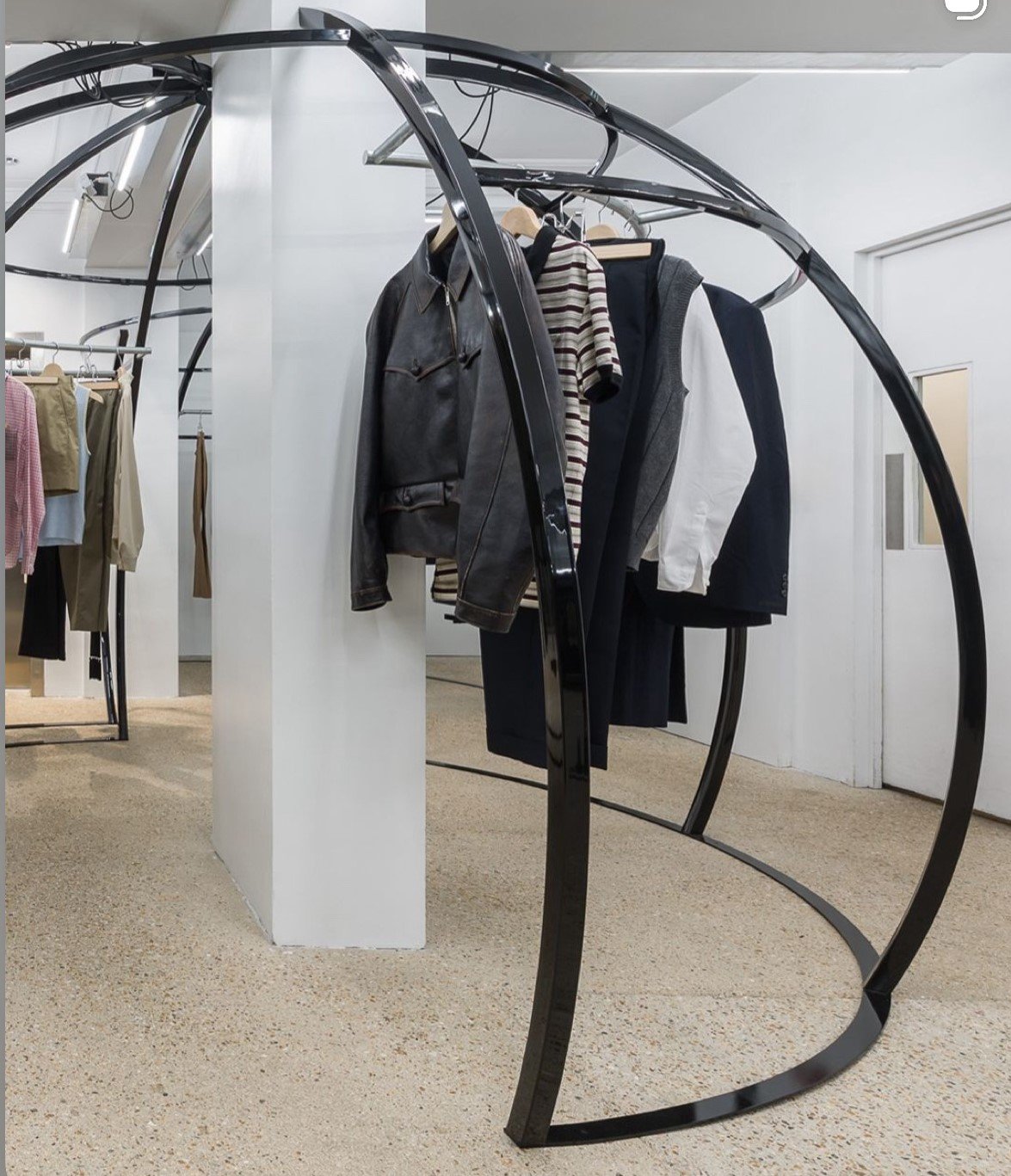
A pop-up shop lives by a different set of rules than a permanent store. It has a start date and an end date, and everything inside it should be chosen with that timeline in mind. Furniture is often the first thing brands get wrong, because they plan it the way they would for a flagship, as something to own rather than something to use.
The smarter approach treats furniture the same way a stylist treats a fitting. Nothing is permanent. Everything is chosen for the moment, then returned. This is where hiring, rather than buying, changes the entire economics and ease of running a temporary space.
Why Ownership Is the Wrong Question for a Temporary Space
Buying furniture for a pop-up creates a problem long before the doors open. Where does it go when the lease ends? A four-week activation does not justify a warehouse contract, and most brands underestimate how quickly storage costs eat into the margin they thought they had protected.
There is also the matter of fit. A rail or plinth bought for one location rarely suits the next. Renting removes that mismatch entirely. The furniture is selected for the space at hand, used for exactly as long as it is needed, and handed back without becoming another line item in a storage unit somewhere.
The Case for Renting Instead of Buying
Renting is not a compromise version of owning. It is simply the correct tool for a temporary format. A rented pop-up shop setup arrives ready to use, is installed by people who do this daily, and leaves the moment the activation closes.
This model also protects brand consistency. A rail range, a fitting room style, or a cash desk finish can be repeated across every future pop-up, giving the brand a recognizable look without ever purchasing a single piece outright. Consistency becomes something you rent into, rather than something you have to store and maintain.
Clothes Rails: The Backbone of Any Pop-Up
Nothing shapes a fashion pop-up more than the rail. It is the first thing a customer's eye meets, and it carries the collection's entire visual language. This is why so many brands choose to hire clothes rails rather than buy them outright. It allows the rail to be matched precisely to the collection and the space, rather than settling for whatever happens to be in stock.
A well-curated clothes rail range gives a brand options that a single-owned rail never could. The client's hanging rails feature brushed stainless steel construction with sturdy birch bases, adjustable configurations, and complementary rail covers. The rail is not a fixture. It is a styling decision, and it should be treated with the same intention as the garments hanging from it.
Renting also solves a practical issue that owning cannot. Every collection has a different volume and hanging requirement. A capsule drop needs a slim single rail. A full-season launch might need modular rows. Hiring allows the rail configuration to change with the collection instead of forcing the collection to adapt to furniture that was bought for a different purpose entirely.
Beyond Rails: Fitting Rooms, Cash Desks, and Display Pieces
A rail alone does not make a store. The furniture pieces that surround it decide whether the space feels considered or unfinished. Fitting rooms set the tone for the entire customer experience, and a curtained corner will never read the same way as a properly built room with the right lighting and mirror placement.
Cash desks and plinths carry equal weight. A desk should feel like part of the brand's identity, not an afterthought bolted on near the exit. Plinths and display shelving turn individual products into something worth pausing for, which matters enormously in a pop-up format where footfall is often brief and attention has to be earned quickly.
How to Choose the Right Furniture Partner
Not every hire company understands fashion retail. Some specialize in general event furniture and treat a pop-up the same way they would a conference or a wedding, which shows in the finish and the fit. Look for a partner with an established clothes rail range built specifically for retail, not adapted from an events catalog.
Delivery and installation timelines matter just as much as the furniture itself. A pop-up often has a narrow build window, sometimes a single day, so a partner who can confirm fast turnaround and handle setup without brand involvement removes one of the biggest sources of last minute stress.
It also helps to work with a company that has handled fashion activations before. Experience with garment display, fitting room flow, and how customers actually move through a small retail footprint is not something a general furniture supplier can replicate.
Styling Tips for a Polished Temporary Space
A few details separate a pop-up that feels intentional from one that feels thrown together.
● Keep the rail finish consistent with the brand's existing retail or ecommerce aesthetic, so the pop-up feels like an extension rather than a separate identity.
● Leave breathing room between rails. Overcrowding a small space makes even a strong collection feel cluttered.
● Use lighting to draw attention to hero pieces on plinths or display shelving, rather than relying on rail placement alone.
● Position the fitting room where it does not interrupt the natural walking path through the store.
None of this requires a large furniture budget. It requires choosing pieces with intention, which is exactly what hiring makes possible.
Planning Timeline: What to Book and When
Furniture should be one of the earliest bookings, not one of the last. Once the space and lease dates are confirmed, reach out to a hire partner immediately, particularly during peak retail seasons when demand for rails, fitting rooms, and display pieces rises sharply.
Confirm delivery windows against the property's access hours, and always build in a buffer day before opening for styling and adjustments. A rushed install is where most avoidable mistakes happen.
A Final Thought
Furniture is never just furniture in a pop-up. It is the fastest way a brand communicates who it is before a single word is spoken to a customer. Hiring, rather than buying, gives a brand the freedom to make that statement precisely once, then make an entirely different one at the next location, without ever being weighed down by what came before.
Frequently Asked Questions
Is it cheaper to hire clothes rails than to buy them?
For a temporary space, hiring almost always works out more cost effective once storage, transport, and depreciation are factored in. Buying only makes sense for a brand running the same rails across a permanent, ongoing location.
How far in advance should I book pop-up furniture?
As soon as the lease dates are confirmed. Fashion pop-ups often launch around seasonal windows, and rail ranges, fitting rooms, and display pieces are in high demand during those periods.
Can I customize the clothes rail range to match my brand's finish?
The Design Pop-Up Agency's hanging rails feature brushed stainless steel rails with birch bases, adjustable configurations, and complementary rail covers. Availability and configuration can be confirmed with the hire team based on your pop-up requirements.
Do furniture hire companies handle delivery and installation?
A specialized pop-up furniture partner typically manages delivery, installation, and collection, which removes the operational burden from the brand's team during a tight setup window.
What furniture matters most in a small pop-up footprint?
Rails, a well-designed fitting room, and a considered cash desk carry the most weight in a compact space. Every piece should earn its place, since there is little room for anything that does not serve the customer experience directly.