Rent a Pop-Up Shop or Use a Shop-in-Shop? What's the Difference?
Retail is no longer a binary choice between owning four walls or staying online. Between those two extremes sits a spectrum of formats, and two of the most misunderstood are the pop-up shop and the shop-in-shop. Brands often use the terms interchangeably. They shouldn't.
The confusion is understandable. Both can be used to test a market without the weight of a long lease. But the structure underneath each model is different, and that structure determines cost, control, and how much creative freedom a brand actually has once the doors open.
What It Means to Rent a Pop-Up Shop
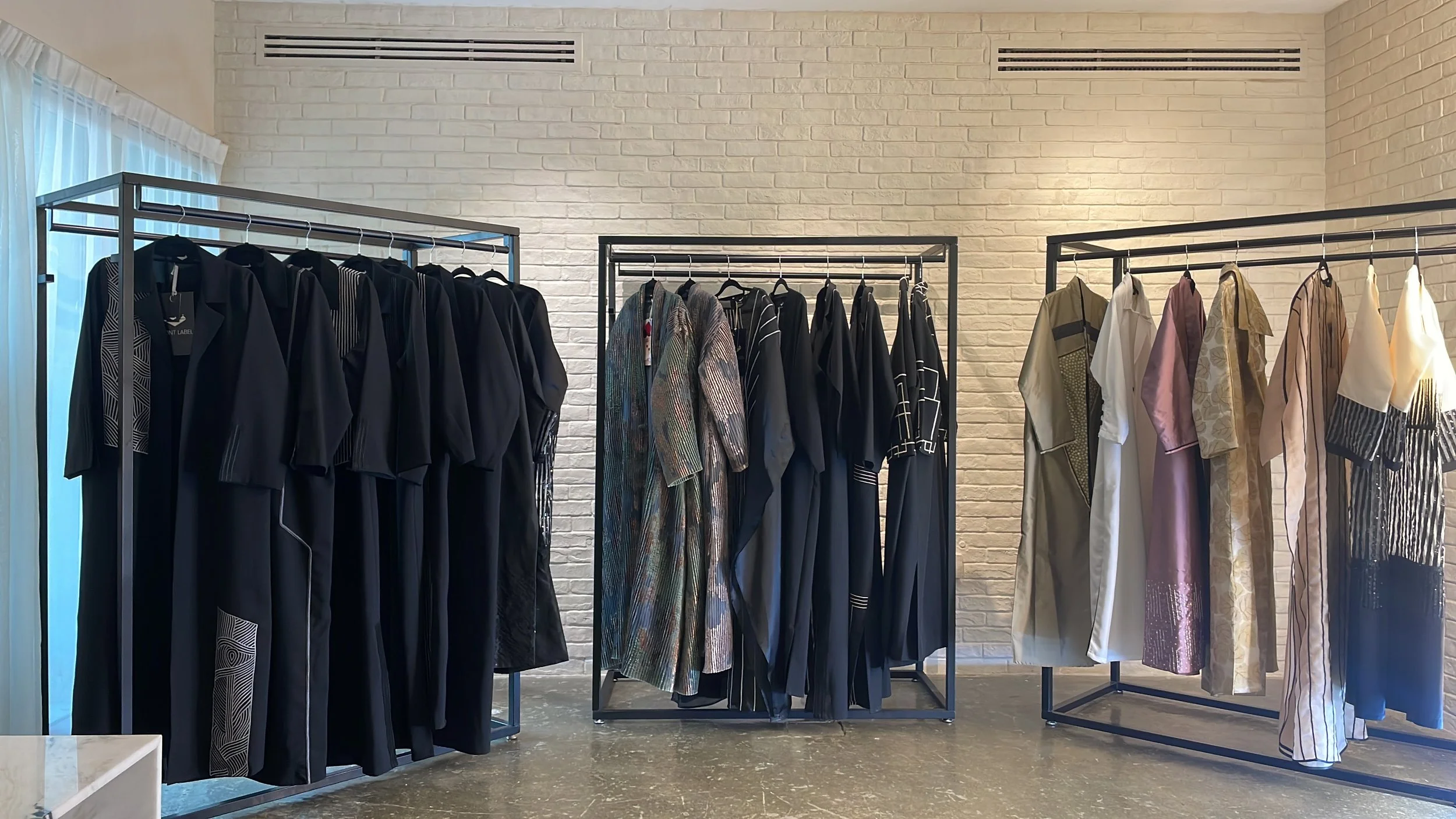
To rent a pop-up shop is to take a standalone, self-contained space for a defined period. The brand controls the entrance, the layout, the lighting, the music, and the entire customer journey from the moment someone steps inside to the moment they leave.
This independence is the appeal. A pop-up rental can occupy a vacant retail unit, a gallery, a warehouse, or a purpose-built activation space. Whatever the venue, the brand is the only one telling the story inside it. There is no shared aisle, no neighboring retailer's signage competing for attention, no dilution of identity.
This is also why pop-up rentals tend to work best for brands with a strong enough visual identity to fill a space on their own. A multi-brand pop-up format offers a lighter version of this, where several brands share one curated environment rather than each renting a separate unit.
What a Shop-in-Shop Actually Is
A shop-in-shop, sometimes called a store-within-a-store, is a different arrangement entirely. Here, a brand occupies a defined area inside another retailer's existing store. According to Shopify, a shop-in-shop happens when a retailer partners with another brand to sell products within its space, similar to a pop-up but hosted inside someone else's four walls. A lot goes into starting and running your own retail store, and with rent prices rising in many cities, that commitment gets costly, which is part of why the shop-in-shop model has grown.
Store hours, the broader store environment, and adjacent merchandising are generally determined by the host, while the visiting brand may retain control over its own merchandising and presentation within its allocated space.
Perfume counters inside department stores are the clearest example of this model, and it has since expanded well beyond beauty into fashion, wellness, and lifestyle categories, wherever a host retailer has space to spare and an audience worth borrowing.
The Real Differences, Side by Side
Once the definitions are clear, the practical distinctions follow naturally.
● Independence: A pop-up rental gives full creative and operational control. A shop-in-shop operates within another brand's rules.
● Audience: A pop-up generally relies more on the brand's own marketing and the venue's foot traffic. A shop-in-shop can also benefit from the host's existing customer base.
● Investment: Pop-up rentals typically involve higher upfront costs for design, fixtures, and staffing, since the brand is building an experience from nothing. A shop-in-shop often reduces those costs because parts of the environment already exist.
● Duration and flexibility: Pop-ups are often tied to a specific season, launch, or event, but can also run longer. Shop-in-shops can likewise be temporary, seasonal, or ongoing, depending on the agreement with the host.
● Brand exposure: A pop-up is a singular, undiluted brand moment. A shop-in-shop places a brand alongside others, which can help with discovery but softens exclusivity.
Neither model is superior. They solve different problems.
Which Model Actually Suits Your Brand
The right choice depends less on budget alone and more on what the brand needs to prove.
A pop-up rental makes sense for a brand that already has an audience, whether built online or through prior activations, and wants a physical space to deepen that relationship on its own terms. It also suits brands entering a new market who want to make a defined, memorable first impression rather than a quiet introduction. For a full breakdown of what goes into planning one, The Ultimate Guide to Opening a Pop-Up Shop covers the process from concept to close.
A shop-in-shop suits a brand that is newer, less recognized, or entering a market where it has no existing customer base to draw from. Borrowing a host retailer's traffic can give the brand access to an established audience while it builds recognition.
Cost and Commitment, Honestly
Cost comparisons between the two models are often oversimplified, and the honest answer is that it depends heavily on location, category, and duration. What can be said with confidence is this: a pop-up rental generally demands more upfront investment in design and buildout, because the brand is creating an entire environment.
A shop-in-shop generally demands less upfront spend but often includes ongoing commission or revenue-sharing arrangements with the host, although agreements can also use flat rental fees.
Neither is inherently cheaper. They simply distribute cost differently, front-loaded in one model, spread out in the other.
Where The Design Pop-Up Agency Fits
For brands leaning toward independence, finding the right pop-up space to rent is the first real decision, and it shapes everything that follows, from footfall to how the space photographs. The Design Pop-Up Agency curates activation environments across Dubai and the wider UAE, handling venue sourcing, design, and production so a brand can focus on the product and the customer standing in front of it.
Brands exploring a shared or multi-brand format can also apply through the agency's activations and pop-ups program, a curated calendar of retail moments designed to feel intentional rather than improvised.
Frequently Asked Questions
Is a shop-in-shop the same as a pop-up shop?
No. A pop-up shop is a standalone, independent space rented for a limited time. A shop-in-shop is a defined area inside another retailer's existing store. Both can be temporary formats, but the level of control and the source of foot traffic differ significantly.
Which model is better for a brand entering a new market?
It depends on brand recognition. A brand with an established following often benefits more from a pop-up rental, where it controls the full narrative. A newer or lesser-known brand often benefits from a shop-in-shop, where it can borrow an existing retailer's traffic while it builds recognition.
How do I find a pop-up space to rent for a short-term activation?
Working with an agency that specializes in retail activations simplifies the search considerably. The Design Pop-Up Agency sources venues across Dubai and the UAE and manages the design and production process alongside the space itself, so brands are not coordinating multiple vendors separately.
Can a brand use both models over time?
Yes, and many do. A shop-in-shop can serve as a lower-risk way to test a market before committing to the cost and visibility of a standalone pop-up rental once demand is proven.
Does a shop-in-shop limit how a brand can present itself?
To some extent. The host retailer sets the general environment, hours, and adjacent context. The visiting brand typically retains control over its own display, staffing, and product presentation within its allocated space.